
Contents
Overview
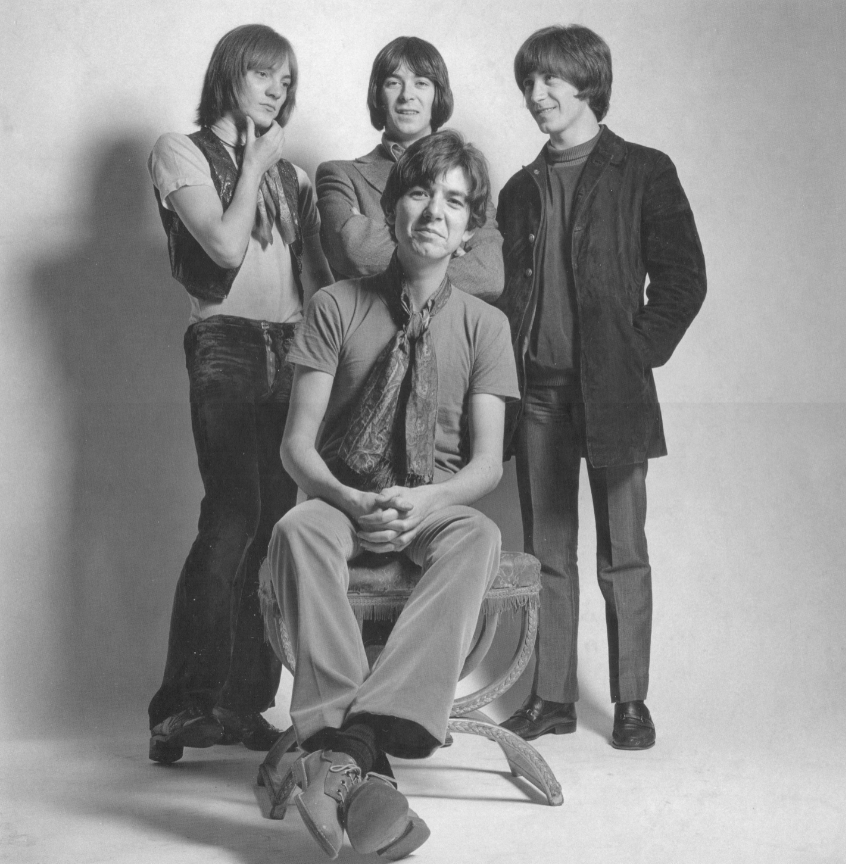
The genesis of the Small Faces can be traced to the East End of London in 1965, a fertile ground for burgeoning R&B and mod culture. Guitarist and vocalist Steve Marriott, teamed up with bassist Ronnie Lane, whose songwriting partnership with Marriott would become legendary. Drummer Kenney Jones and keyboardist Jimmy Winston completed the initial lineup. Winston was soon replaced by Ian McLagan, whose Hammond organ became a signature element of their sound. Their early performances at iconic venues like the 100 Club and the Marquee Club quickly established them as leaders of the mod scene, attracting a devoted following and the attention of Decca Records, who released their debut single "Whatcha Gonna Do About It" in August 1965.
⚙️ How It Works
The Small Faces' musical engine was a potent blend of raw, R&B-infused rock and pop sensibilities, meticulously crafted for maximum impact. Marriott's searing vocals and sharp guitar riffs provided the visceral energy, while Lane's melodic basslines and introspective lyrics offered a counterpoint. McLagan's keyboard work, particularly his distinctive Hammond organ sound, added a layer of sophistication and sonic texture, moving beyond simple accompaniment to become an integral part of the band's identity. Jones's drumming was the driving force, characterized by its precision, power, and innate sense of groove, perfectly underpinning the band's dynamic shifts. This interplay allowed them to transition from hard-hitting mod anthems to more experimental, psychedelic soundscapes, as evidenced by the intricate arrangements on "Ogdens' Nut Gone Flake."
📊 Key Facts & Numbers
The Small Faces achieved significant commercial success during their relatively short initial run. Their 1968 concept album, "Ogdens' Nut Gone Flake," reached number one on the UK Albums Chart, a remarkable feat for a psychedelic concept album at the time. The band sold an estimated 5 million records worldwide during their original tenure, with "Itchycoo Park" alone selling over a million copies globally.
👥 Key People & Organizations
The core quartet of Steve Marriott (vocals, guitar), Ronnie Lane (bass, vocals), Kenney Jones (drums), and Ian McLagan (keyboards) formed the creative heart of the Small Faces. Marriott, a prodigious talent with a powerful voice and stage presence, was the band's fiery frontman. Lane, a gifted songwriter and bassist, provided much of the band's melodic and lyrical depth, later co-founding Faces. Jones became one of rock's most respected drummers, later joining Faces and The Who. McLagan, a virtuoso keyboardist, defined the band's signature organ sound and went on to a prolific career with Faces and as a solo artist. Jimmy Winston was the original keyboardist before McLagan's arrival.
🌍 Cultural Impact & Influence
The Small Faces' impact on British music and culture is profound. They were instrumental in defining the mod aesthetic, influencing fashion, attitudes, and the very sound of mid-1960s youth culture. Their transition into psychedelic rock with "Ogdens' Nut Gone Flake" demonstrated a willingness to experiment and push artistic boundaries, paving the way for more ambitious album-oriented rock. Bands like Oasis, Blur, and The Jam have cited the Small Faces as a major influence, particularly their blend of working-class swagger and sophisticated songwriting. Their enduring hits, especially "Itchycoo Park," remain cultural touchstones, frequently featured in films and television, cementing their status as mod royalty and psychedelic pioneers.
⚡ Current State & Latest Developments
While the original Small Faces disbanded in 1969, the legacy has endured through various reunions and continuations. A reformed version of the band, featuring Marriott, Jones, and McLagan, briefly existed in the late 1970s, releasing two albums. Post-Marriott, Lane, Jones, and McLagan formed Faces with Rod Stewart and Ronnie Wood, achieving massive global success. Kenney Jones later joined The Who following the death of Keith Moon. In recent years, the Small Faces' music has seen a resurgence in popularity, with extensive reissues of their catalog and continued critical acclaim for their innovative work, particularly "Ogdens' Nut Gone Flake." The band was inducted into the Rock and Roll Hall of Fame in 2012.
🤔 Controversies & Debates
The primary controversy surrounding the Small Faces often centers on the creative control and eventual departure of Steve Marriott. His decision to leave in 1969 to form Humble Pie effectively dissolved the band at its creative peak, a move that disappointed many fans and bandmates, particularly Ronnie Lane. There have also been debates over the legacy and artistic merit of the later, reformed lineups compared to the classic 1960s iteration. Furthermore, the commercial success of Faces and Humble Pie sometimes overshadows the Small Faces' own significant achievements, leading to discussions about which iteration of these musicians' careers is most artistically vital.
🔮 Future Outlook & Predictions
The enduring appeal of the Small Faces suggests their music will continue to resonate. Future outlooks point towards continued appreciation for their innovative approach to songwriting and production, particularly "Ogdens' Nut Gone Flake," which may see further academic and critical re-evaluation as a landmark concept album. The possibility of further archival releases or documentaries exploring their rich history remains high. While new music from the original members is unlikely given the passing of Steve Marriott and Ronnie Lane, the influence of their sound on contemporary artists suggests a perpetual cycle of rediscovery and inspiration, ensuring their music remains relevant for generations to come.
💡 Practical Applications
The Small Faces' music and aesthetic have found practical applications across various domains. Their mod-inspired fashion sense continues to influence contemporary streetwear and vintage revival movements. The band's sound, particularly the catchy melodies and driving rhythms, has been sampled and referenced by numerous hip-hop and electronic artists. "Itchycoo Park," with its pioneering use of phasing effects, serves as a case study in audio engineering and psychedelic production techniques, often studied in music production courses. Furthermore, their story and music are frequently utilized in retrospectives on 1960s British culture, appearing in documentaries, historical exhibits, and educational materials about the mod era.
Key Facts
- Category
- culture
- Type
- band