
Contents
Overview
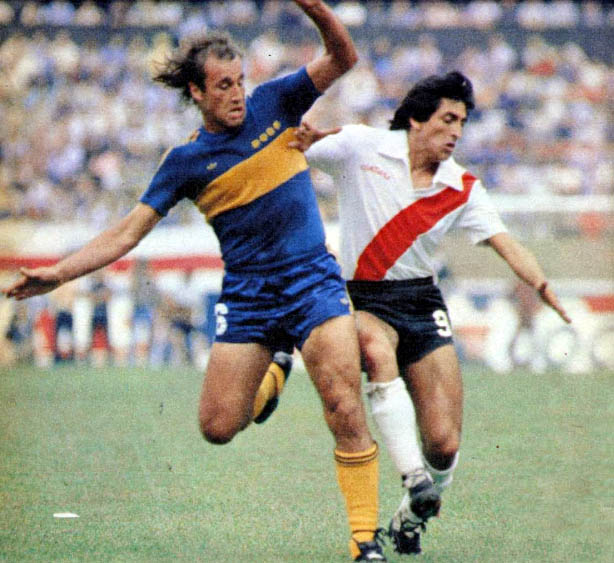
The Superclásico's roots run deep into the early 20th century, born from the migration of working-class fans and the elite's preference for the more aristocratic River Plate. While both clubs were founded in Buenos Aires, River Plate emerged from the La Boca neighborhood before relocating to the more affluent Núñez district. Boca Juniors, conversely, remained in the working-class La Boca, fostering a gritty, passionate identity. The term 'clásico' itself is widely believed to have originated in Argentina to describe this very rivalry, later adopted globally. The intensity escalated over decades, marked by legendary players and pivotal matches that etched themselves into Argentine folklore, creating a narrative of class struggle and regional pride that continues to fuel the fire.
⚙️ How It Works
The Superclásico operates as a bi-annual league fixture, with additional encounters in domestic and international cup competitions, most notably the Copa Libertadores. Matches are typically held at either Boca Juniors' Estadio Alberto J. Armando (La Bombonera) or River Plate's Estadio Monumental. The format involves two halves of 45 minutes, with standard football rules applying. However, the 'how it works' extends beyond the pitch; it involves a massive mobilization of fan bases, intense media scrutiny from outlets like TyC Sports, and a palpable tension that permeates the entire nation. The tactical battles between managers, often reflecting the clubs' distinct philosophies – Boca's pragmatic grit versus River's attacking flair – are as crucial as the individual duels.
📊 Key Facts & Numbers
The Superclásico commands staggering figures: Boca Juniors and River Plate together claim over 70% of Argentina's football fans. Their combined trophy count exceeds 100 major titles, including a remarkable 70 league championships between them. Boca Juniors boasts 6 Copa Libertadores titles, while River Plate has secured 4. The economic impact is immense, with matchday revenues often exceeding $10 million USD for a single fixture. Player transfer fees between the clubs are rare and often astronomical, reflecting the high stakes. Over 250 official matches have been played, with Boca Juniors holding a slight historical edge in wins, though the margin is razor-thin.
👥 Key People & Organizations
The primary organizations are, of course, Club Atlético Boca Juniors and Club Atlético River Plate. Key figures who have defined this rivalry include legendary players like Diego Maradona (Boca Juniors), Alfredo Di Stéfano (River Plate), Juan Román Riquelme (Boca Juniors), and Enrique Omar Sívori (River Plate). Managers like Carlos Bianchi (Boca Juniors) and Marcelo Gallardo (River Plate) have also left indelible marks. The Argentine Football Association (AFA) oversees the league scheduling, while CONMEBOL governs continental competitions where these giants clash.
🌍 Cultural Impact & Influence
The Superclásico's influence extends far beyond the 90 minutes of play. It's a cultural touchstone, deeply interwoven with Argentine identity, social class, and regional pride. The match's intensity has inspired countless songs, films, and artistic expressions, with artists like Joaquín Sabina referencing the rivalry. Its global recognition, highlighted by FourFourTwo magazine naming it the 'biggest derby in the world' in 2016, has cemented its status as a premier sporting spectacle. The passion it ignites influences national discourse and provides a shared experience that transcends political and economic divides, even if it often mirrors them.
⚡ Current State & Latest Developments
As of 2024, the Superclásico remains as fiercely contested as ever. Recent seasons have seen both clubs vying for domestic titles and continental glory, with managers like Jorge Almirón (Boca Juniors) and Martín Demichelis (River Plate) navigating intense pressure. The transfer market continues to see young talents emerge from these academies, often destined for European leagues after brief, impactful stints in the Superclásico. The rivalry's enduring appeal ensures that every league encounter and cup tie is met with fervent anticipation, with broadcast rights deals continuing to generate significant revenue for both clubs and the Argentine Football Association.
🤔 Controversies & Debates
The Superclásico is rife with controversies, often stemming from accusations of biased refereeing, perceived dives, and unsporting conduct. The socio-economic divide between the clubs' traditional fan bases has also fueled debates about classism within Argentine society. Incidents of crowd violence, though less frequent now due to stricter security measures, have historically marred the fixture. Furthermore, the debate over which club is 'more popular' or 'more successful' is a perpetual source of contention, with both sides citing different metrics and historical eras to support their claims.
🔮 Future Outlook & Predictions
The future of the Superclásico appears secure, driven by its immense cultural capital and the continuous emergence of world-class talent. As football globalizes, the rivalry's raw intensity and historical narrative will likely continue to attract international attention and investment. Innovations in broadcasting and fan engagement technologies, such as augmented reality experiences and interactive fan platforms, could further enhance the global appeal. The ongoing challenge will be to maintain the authentic passion while mitigating the risks of violence and ensuring fair play, a delicate balancing act for the CONMEBOL and the AFA.
💡 Practical Applications
The Superclásico serves as a powerful case study in sports marketing, fan engagement, and the creation of enduring brand loyalty. Its model of intense, high-stakes competition generates massive media interest, driving advertising revenue and merchandise sales for both clubs. The rivalry also influences player development, with academies at both Boca Juniors and River Plate focusing on producing technically gifted and mentally resilient players capable of thriving under extreme pressure. Furthermore, the Superclásico's global recognition provides a blueprint for other football derbies seeking to amplify their international profile.
Key Facts
- Category
- culture
- Type
- event