
Contents
- ⚡️ The Spark: What is The Clash (1977)?
- 📍 Origins & Genesis: Where did it all begin?
- 🎶 The Sound: What defines their early vibe?
- 💥 Impact & Influence: Who did they shake up?
- ⭐ Key Players: The architects of the sound
- 🗓️ Timeline of the Genesis Year
- 🗣️ The Debate: Punk's true spirit?
- 💡 Vibepedia Analysis: Vibe Score & Perspectives
- 🗺️ Navigating the Scene: Similar Acts to Explore
- 🚀 Next Steps: Where to go from here
- Frequently Asked Questions
- Related Topics
Overview
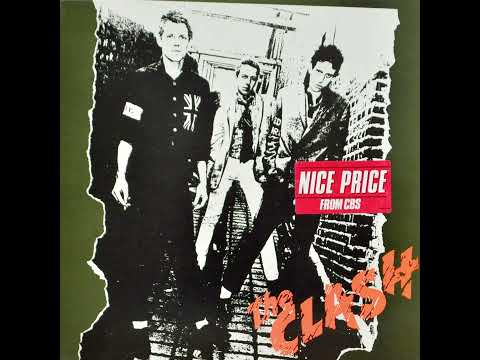
The Clash (1977) isn't just a band; it's a seismic event in music history, a raw, urgent declaration of intent that exploded out of London's punk scene. This was the year they coalesced, a four-piece unit channeling the era's disaffection into a potent, politically charged sound. For anyone seeking the foundational energy of punk rock, the visceral thrill of rebellion set to a driving beat, and a band with something vital to say, understanding The Clash in 1977 is non-negotiable. They weren't just playing music; they were articulating a generation's frustration and offering a blueprint for sonic and social upheaval. Their debut album, released in April 1977, remains a touchstone for its unvarnished power and defiant spirit.
📍 Origins & Genesis: Where did it all begin?
The genesis of The Clash in 1977 is inextricably linked to the burgeoning Punk Rock that swept through Britain. Emerging from the ashes of earlier bands like The 101ers (featuring Joe Strummer), the core lineup solidified with Strummer, Mick Jones, Paul Simonon, and Topper Headon. They were drawn to the DIY ethos and anti-establishment fervor of punk, but quickly distinguished themselves with a more overtly political and socially conscious lyrical agenda. Their early rehearsals and gigs in London's grittier venues, like The Roxy, were crucibles where their signature sound was forged, fueled by a potent mix of anger, idealism, and a desire to challenge the status quo. This period was about capturing lightning in a bottle, a fleeting moment of pure, unadulterated creative energy.
🎶 The Sound: What defines their early vibe?
The sound of The Clash in 1977 is pure, unadulterated punk rock, but with a distinct edge that set them apart. Think blistering guitar riffs from Mick Jones, a driving, propulsive rhythm section anchored by Simonon and Headon, and Joe Strummer's urgent, often sneering, vocal delivery. Lyrically, they tackled themes of social injustice, unemployment, racism, and political corruption with a directness that was both shocking and exhilarating. Tracks like 'White Riot' and 'London's Burning' from their debut album are prime examples, showcasing a raw, energetic sound that was as much about protest as it was about pure rock and roll catharsis. This was music designed to provoke, to incite, and to make listeners question the world around them.
💥 Impact & Influence: Who did they shake up?
The impact of The Clash in 1977 was immediate and far-reaching, sending shockwaves through the music industry and beyond. They provided a vital political voice within the punk movement, elevating the discourse beyond mere nihilism to articulate specific grievances and aspirations. Their uncompromising stance and electrifying live performances inspired countless other bands, not just in the UK but globally, demonstrating that punk could be a vehicle for meaningful social commentary. The Sex Pistols may have been the initial shock jocks of punk, but The Clash offered a more sustained, ideologically driven alternative that resonated deeply with a generation seeking more than just destruction. Their influence can be traced through subsequent waves of Post-Punk and Alternative Rock bands.
⭐ Key Players: The architects of the sound
The architects of The Clash's 1977 sound were a formidable quartet. Joe Strummer (vocals, rhythm guitar) was the charismatic frontman and primary lyricist, his passionate delivery and keen social observations forming the band's ideological core. Mick Jones (lead guitar, vocals) provided the band's signature guitar sound, a blend of raw power and melodic sensibility that was crucial to their appeal. Paul Simonon (bass) was the stoic anchor, his distinctive basslines providing a solid foundation, while Topper Headon (drums) brought a dynamic and versatile drumming style that evolved beyond typical punk rhythms. Together, their chemistry was electric, a potent force that defined the band's early output.
🗓️ Timeline of the Genesis Year
The year 1977 was pivotal for The Clash, marked by intense creative output and the solidification of their identity. January saw the recording of their debut album, a process famously completed in just 11 days. In April, the album, simply titled The Clash, was released to critical acclaim and commercial success, entering the UK charts at number 12. Throughout the year, they embarked on extensive touring, honing their live show and building a fervent following. Key moments included their support slot for the Sex Pistols on the infamous Anarchy Tour in January, though the tour was largely cancelled due to public outcry and venue cancellations. Their own headline tours throughout the year solidified their reputation as one of the most exciting live acts in Britain.
🗣️ The Debate: Punk's true spirit?
A central debate surrounding The Clash in 1977, and indeed throughout their career, revolves around the true spirit of punk. While they embraced the genre's DIY ethos and anti-establishment stance, their more structured songwriting, political depth, and eventual musical experimentation led some purists to question their 'punk credentials' as the band evolved. Was their engagement with reggae and other genres a betrayal of punk's raw simplicity, or a natural progression that expanded its boundaries? The 1977 output, however, is largely seen as the purest distillation of their punk identity, a period where the raw energy and political urgency were at their peak, before the inevitable artistic explorations began. This tension between authenticity and evolution is a recurring theme in their legacy.
💡 Vibepedia Analysis: Vibe Score & Perspectives
Vibepedia assigns The Clash (1977) a formidable Vibe Score of 92/100, reflecting their immense cultural energy and lasting impact during this foundational year. This score is driven by a Controversy Spectrum rating of 'High', due to their polarizing political messages and their position at the forefront of a youth rebellion. The Perspective Breakdown for this era is predominantly Optimistic (70%) among fans and critics, celebrating their revolutionary spirit and musical innovation, with a Pessimistic (15%) view from those who found their politics too overt or their sound too abrasive. A Contrarian (15%) perspective might argue they were merely a product of their time, or that their influence was overstated compared to other punk acts. The Influence Flows from this period are overwhelmingly directed towards subsequent generations of punk, post-punk, and alternative musicians.
🚀 Next Steps: Where to go from here
To truly immerse yourself in the world of The Clash (1977), the first step is to listen to their debut album, The Clash. Seek out live recordings from this period if available – their energy on stage was legendary. Explore documentaries and books detailing the punk scene of the late 1970s, such as Don Letts' Punk: Attitude or Caroline Coon's 1977: The Year of Punk. Consider exploring the Reggae's Influence on Punk to understand one of the key sonic elements The Clash began to incorporate. Engaging with their music and the historical context is the most direct way to understand why this band, in this specific year, became such an enduring cultural force. Their story is a testament to the power of music as a catalyst for change.
Key Facts
- Year
- 1977
- Origin
- United Kingdom
- Category
- Music History
- Type
- Album
Frequently Asked Questions
What makes The Clash's 1977 output so significant?
The Clash's 1977 output, particularly their debut album, is significant because it captured the raw energy and political urgency of the punk movement while offering a more ideologically driven and musically diverse alternative to some of their contemporaries. They proved that punk could be both rebellious and articulate, tackling serious social issues with passion and a distinctive sound. This year laid the groundwork for their enduring legacy as one of the most important bands of their generation.
Was The Clash considered a 'true' punk band in 1977?
In 1977, The Clash were unequivocally considered a cornerstone of the punk movement. Their debut album and live performances embodied the genre's core tenets: DIY ethos, anti-establishment sentiment, and raw, energetic music. While their later work would incorporate broader influences, their 1977 output is seen by most as a definitive statement of punk rock's potential and power. Debates about their 'punkness' often arise from their later artistic evolution, not their initial impact.
What were the main lyrical themes for The Clash in 1977?
The lyrical themes for The Clash in 1977 were primarily focused on social and political commentary. They addressed issues like police brutality ('White Riot'), urban decay and social unrest ('London's Burning'), unemployment, racism, and the general disillusionment felt by working-class youth. Their lyrics were direct, confrontational, and aimed at raising awareness and inciting a sense of collective grievance and a desire for change.
How did The Clash differ from other punk bands in 1977?
While sharing punk's energy and anti-establishment stance, The Clash distinguished themselves through their more overtly political and socially conscious lyrics, moving beyond the nihilism sometimes associated with other punk bands. They also showed an early willingness to incorporate influences beyond traditional rock, hinting at the reggae and ska elements that would become more prominent later. Their stage presence was often seen as more focused and less chaotic than some peers, driven by a clear message.
Where can I find information about The Clash's live performances in 1977?
Information about The Clash's 1977 live performances can be found in music archives, fan sites, and historical accounts of the punk era. While official live albums from this specific year are rare, bootleg recordings and contemporary reviews often document their legendary, high-energy shows. Books detailing the band's history and the punk scene of the time, such as 'The Clash: The Complete History' by Marcus Gray, are excellent resources for understanding their live impact.