
Contents
- 🚗 What is Tire Damage?
- 🔍 Common Types of Tire Damage
- 🛠️ Causes of Tire Damage
- ⚠️ When to Seek Professional Help
- 💡 DIY Inspection & Prevention Tips
- ⚖️ Repair vs. Replacement: The Big Debate
- 💲 Cost Considerations for Repairs & Replacements
- ⭐ User Ratings & Reviews (Hypothetical)
- 📍 Finding Local Tire Services
- 📚 Further Reading & Resources
- Frequently Asked Questions
- Related Topics
Overview
Tire damage refers to any compromise in a tire's structural integrity or performance, ranging from minor punctures to severe sidewall tears. For any driver, understanding these issues is paramount for safety and vehicle longevity. This guide breaks down the most prevalent forms of tire damage and equips you with the knowledge to identify, prevent, and address them. Ignoring even seemingly small abrasions can lead to catastrophic failure, especially at high speeds. Recognizing the subtle signs of wear and tear is a critical skill for every motorist, impacting everything from fuel efficiency to braking distance. This isn't just about aesthetics; it's about maintaining a crucial connection between your vehicle and the road.
🔍 Common Types of Tire Damage
The spectrum of tire damage is broad, but several types are particularly common. Punctures, often caused by sharp objects like nails or glass, can range from slow leaks to rapid deflation. Cuts and abrasions, typically found on the sidewall or tread, result from impacts with curbs, debris, or rough road surfaces. Bulges and blisters indicate internal structural damage, often due to impact or underinflation, and are a serious safety hazard. Uneven wear patterns, such as cupping or feathering, point to underlying issues with alignment, suspension, or tire pressure. Finally, aging and dry rot manifest as cracks in the rubber, compromising grip and leading to potential blowouts. Each type presents unique risks and requires specific attention.
🛠️ Causes of Tire Damage
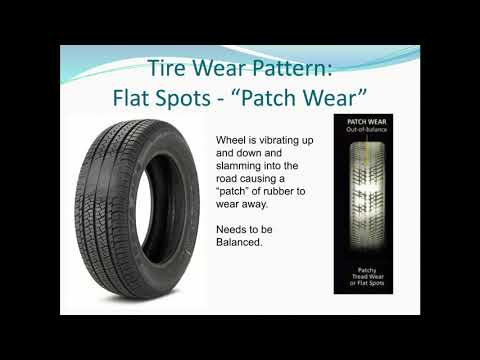
The culprits behind tire damage are varied, often stemming from driver behavior and environmental factors. Driving over potholes, curbs, or road debris are primary causes of impact-related damage like cuts and bulges. Underinflation is a silent killer, leading to excessive heat buildup, premature wear, and increased susceptibility to damage. Overinflation, while less common, can make tires more prone to damage from impacts and cause uneven wear. Improper wheel alignment and unbalanced tires contribute significantly to abnormal wear patterns, stressing the tire structure. Even environmental factors like prolonged exposure to sunlight and extreme temperatures can accelerate the aging process, leading to dry rot.
⚠️ When to Seek Professional Help
While minor punctures might be temporarily patched, certain types of tire damage necessitate immediate professional attention. Sidewall damage, including cuts, bulges, or significant abrasions, is almost always irreparable due to the tire's structural design. If you notice a significant bulge or blister on your tire's sidewall, cease driving immediately and arrange for a tow. Extensive tread damage, deep cuts penetrating the tire's internal structure, or multiple punctures in a close area also warrant professional assessment. Any damage that compromises the tire's ability to hold air or maintain its shape poses a serious safety risk and should be evaluated by a qualified technician at a local tire shop.
💡 DIY Inspection & Prevention Tips
Proactive tire care can significantly extend their lifespan and prevent costly damage. Regularly inspect your tires for any signs of wear, foreign objects, or unusual damage. A simple visual check before each drive, looking for embedded nails, cuts, or bulges, can catch problems early. Maintain proper tire pressure, checking it at least once a month and before long trips, using the recommended PSI found on your vehicle's doorjamb sticker or owner's manual. Rotate your tires every 5,000-7,500 miles to ensure even wear, and have your wheel alignment checked annually or if you notice pulling or uneven wear patterns. These simple habits are your first line of defense against tire damage.
⚖️ Repair vs. Replacement: The Big Debate
The decision to repair or replace a damaged tire is a critical one, often debated among drivers and technicians. Minor tread punctures, typically within the main tread area and not too close to the sidewall, are often repairable with a plug or patch. However, sidewall damage, large punctures, or damage from driving on a severely underinflated tire are generally considered irreparable. Many experts, including those at the Tire Industry Association, recommend replacement for any damage affecting the sidewall or if the puncture is too close to it. While repair is cheaper, safety should always be the primary consideration; a compromised tire, even if repaired, can still pose a risk. Always err on the side of caution when in doubt.
💲 Cost Considerations for Repairs & Replacements
The cost of addressing tire damage varies widely depending on the issue and the chosen solution. A simple tire plug or patch from a local mechanic might cost between $20 and $50. However, if replacement is necessary, a new tire can range from $100 for a budget option to over $300 for high-performance or specialized tires. Factor in the cost of mounting, balancing, and disposal fees, which can add another $50-$100 per tire. If the damage is due to poor alignment or suspension issues, those repairs will incur additional costs. Considering the lifespan of a tire, investing in quality replacements and proper maintenance often proves more economical in the long run than frequent repairs or dealing with the aftermath of a blowout.
⭐ User Ratings & Reviews (Hypothetical)
While Vibepedia doesn't host live ratings, user feedback on tire services generally prioritizes honesty, speed, and quality of work. Drivers often praise shops that clearly explain the damage, offer fair repair or replacement options without upselling, and complete the work efficiently. Negative reviews frequently cite deceptive practices, overcharging, or failing to properly diagnose the root cause of tire wear. Look for services with a high volume of positive comments regarding their tire expertise and customer service. Online reviews for specific tire dealers and local mechanics can offer valuable insights into their reliability and pricing. A good reputation is often built on trust and consistent performance.
📍 Finding Local Tire Services
Finding reliable local tire services is crucial for addressing damage and performing routine maintenance. Your best bet is often a dedicated tire shop or a reputable independent mechanic. Look for businesses that specialize in tires and offer services like mounting, balancing, alignment, and flat repair. Online search engines and mapping services can help you locate options in your area, often with customer reviews. Don't hesitate to call ahead to inquire about their services, pricing, and availability, especially if you're dealing with an emergency. Asking friends, family, or colleagues for recommendations can also lead you to trusted local professionals who have served them well.
📚 Further Reading & Resources
For those seeking to deepen their understanding of tire health and damage, several resources are available. The Tire Industry Association offers extensive information on tire care, maintenance, and repair standards. Websites like Tire Rack.com provide detailed product information, educational articles, and user reviews. Your vehicle's owner's manual is an invaluable resource for understanding recommended tire pressures and maintenance schedules. For a more technical perspective, explore resources from tire manufacturers like Michelin or Goodyear, which often publish guides on tire inspection and care. Understanding the science behind tire construction can also demystify common damage types.
Key Facts
- Year
- 1888
- Origin
- The invention of the pneumatic tire by John Boyd Dunlop in 1888, while a revolution in comfort, also introduced a new vulnerability: susceptibility to punctures and deflation.
- Category
- Automotive
- Type
- Topic
Frequently Asked Questions
Can I repair a sidewall puncture?
Generally, no. Sidewall damage, including cuts, punctures, or bulges, is considered irreparable by most industry standards. The sidewall is critical for the tire's structural integrity and flexibility, and repairs in this area are not safe. Driving on a tire with sidewall damage significantly increases the risk of a blowout. It's always recommended to replace a tire with any form of sidewall compromise.
How often should I check my tire pressure?
You should check your tire pressure at least once a month and before any long road trips. It's also advisable to check it when the tires are cold, meaning the vehicle hasn't been driven for at least three hours. Temperature fluctuations can significantly affect tire pressure, so regular checks are essential for safety and optimal tire wear.
What does uneven tire wear mean?
Uneven tire wear, such as cupping (scalloped edges) or feathering (one edge of the tread is more worn than the other), typically indicates an underlying mechanical issue. This could be improper wheel alignment, unbalanced tires, or worn suspension components. Ignoring these patterns can lead to premature tire failure and affect your vehicle's handling and braking.
Is it safe to drive on a tire with a bulge?
Absolutely not. A bulge or blister on the sidewall of a tire indicates internal structural damage, often from an impact. This compromised area is extremely prone to sudden failure, leading to a dangerous blowout. If you notice a bulge, stop driving the vehicle as soon as it is safe to do so and arrange for the tire to be replaced immediately.
How can I prevent tire damage from potholes?
While avoiding potholes entirely is difficult, you can minimize damage by driving cautiously, especially at night or in poor weather conditions when they are harder to see. If you do hit a pothole, try to do so with your wheels pointed straight ahead if possible, as this distributes the impact more evenly. After hitting a significant pothole, it's wise to have your tires and alignment checked by a professional.
What is dry rot and how do I prevent it?
Dry rot refers to the cracking of the rubber caused by aging, exposure to UV rays, and ozone. It compromises the tire's grip and can lead to leaks or blowouts. To prevent it, avoid prolonged exposure to direct sunlight when possible, keep tires properly inflated, and consider using tire protectants that contain UV inhibitors. Regular inspection for small cracks is also key.