
Contents
- 🧪 What Exactly Are Toxic Substances?
- 🌎 Historical Context: A Long, Dangerous Relationship
- 🔬 The Science of Harm: Mechanisms of Toxicity
- ⚖️ Regulation & Risk: Who Decides What's Dangerous?
- 💡 Vibepedia Vibe Score: Toxicity's Cultural Resonance
- ☣️ Beyond the Obvious: Hidden Toxins in Daily Life
- 📈 Emerging Threats & Future Concerns
- 🤔 Navigating the Toxic Landscape: A Practical Guide
- Frequently Asked Questions
- Related Topics
Overview
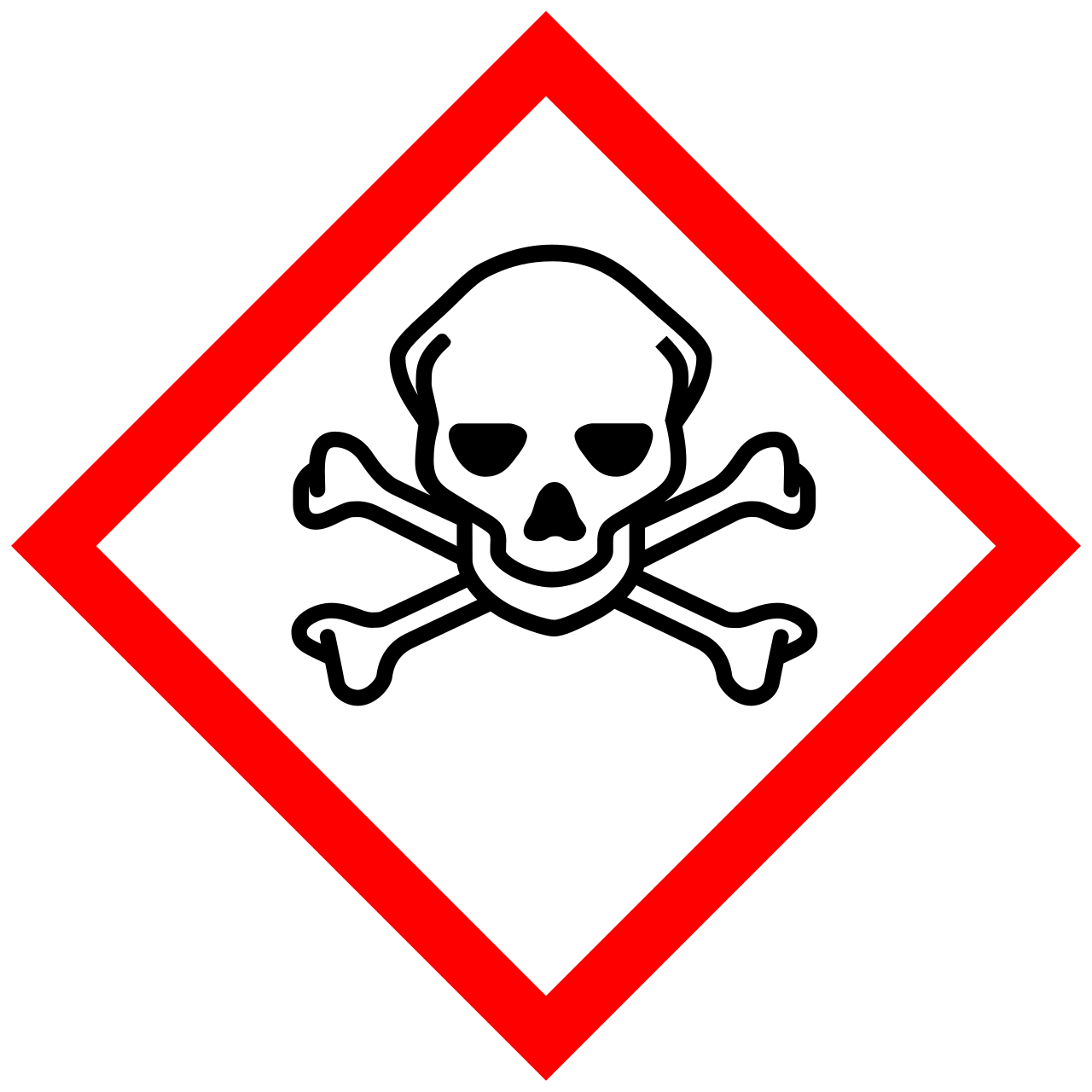
Toxic substances, at their core, are chemical compounds that can cause harm to living organisms. This harm can range from minor irritation to severe illness or even death, depending on the substance, the dose, and the organism exposed. In scientific circles, a poison is defined by its capacity to disrupt biological processes, leading to adverse effects. This isn't just about overt poisons like arsenic; it encompasses a vast array of chemicals encountered in environmental science, occupational health, and even food safety. Understanding these substances is crucial for everything from public health policy to individual well-being.
🌎 Historical Context: A Long, Dangerous Relationship
Humanity's dance with toxic substances is as old as civilization itself. Ancient Egyptians used arsenic and lead in cosmetics, while Roman physicians like Galen documented the effects of various poisons. The development of chemistry in the 18th and 19th centuries, particularly by figures like Carl Wilhelm Scheele and Paracelsus, began to systematically identify and understand these compounds. The industrial revolution, however, unleashed a torrent of new chemicals, many with unforeseen toxic consequences, leading to early public health crises and the nascent stages of chemical regulation.
🔬 The Science of Harm: Mechanisms of Toxicity
The mechanisms by which toxic substances exert their effects are diverse and complex. Some, like heavy metals such as lead and mercury, interfere with enzyme function and cellular respiration. Others, like certain pesticides, act as neurotoxins, disrupting nerve signal transmission. Carcinogens, such as asbestos and benzene, damage DNA, leading to uncontrolled cell growth. The study of toxicology, a field pioneered by scientists like Rudolf Virchow, seeks to unravel these intricate pathways, often involving dose-response relationships and the concept of LD50 (Lethal Dose 50%).
⚖️ Regulation & Risk: Who Decides What's Dangerous?
The question of what constitutes a 'toxic' level is rarely simple and often hotly debated. Regulatory bodies like the EPA in the US and the ECHA in Europe establish permissible exposure limits (PELs) and threshold limit values (TLVs) for thousands of chemicals. These limits are often the result of intense lobbying, scientific interpretation, and political compromise. The controversy spectrum for many chemicals, from BPA to glyphosate, is exceptionally high, reflecting the tension between industrial interests and public health advocacy.
💡 Vibepedia Vibe Score: Toxicity's Cultural Resonance
On Vibepedia's Vibe Score, toxicity registers a complex cultural energy. Its 'Pessimistic' vibe is undeniable, reflecting fear, illness, and environmental degradation, often scoring below 30. However, there's a 'Contrarian' element, where understanding and mitigating toxicity can lead to innovation and a higher 'Optimistic' vibe, sometimes reaching 60-70 in circles focused on sustainable chemistry and public health advocacy. The 'Neutral' vibe is the scientific pursuit of knowledge, while the 'Fan' vibe is rare, perhaps found in niche communities focused on historical poisons or extreme survival. The overall Vibe Score for 'Toxic Substances' hovers around 45, a testament to its pervasive, yet often contentious, presence.
📈 Emerging Threats & Future Concerns
The future of toxic substances presents both challenges and opportunities. Nanomaterials, while offering revolutionary applications, raise new questions about their environmental persistence and biological interactions. Climate change can alter the distribution and bioavailability of existing toxins, such as mercury in thawing permafrost. The push for a circular economy necessitates developing safer alternatives and robust recycling processes to prevent the reintroduction of hazardous chemicals. The ongoing debate centers on whether innovation will outpace the creation of new toxic threats.
Key Facts
- Year
- 2023
- Origin
- Vibepedia
- Category
- Science & Environment
- Type
- Topic
Frequently Asked Questions
What's the difference between a poison and a toxin?
While often used interchangeably, 'toxin' typically refers to a poisonous substance produced by living organisms (like snake venom or botulinum toxin), whereas 'poison' is a broader term for any substance that can cause harm, whether natural or synthetic. In toxicology, the distinction is important for understanding the origin and sometimes the specific mechanism of action.
How can I reduce my exposure to everyday toxins?
Reducing exposure involves several practical steps. Opt for unscented products and natural cleaning agents. Improve indoor air quality through ventilation and air purifiers. Choose organic produce to minimize pesticide residues. Be mindful of plastics, especially when heating food, and consider alternatives like glass or stainless steel. Regularly clean dust and grime, as many toxins accumulate in household dust.
Are 'natural' substances always safe?
No, 'natural' does not automatically equate to 'safe.' Many of the most potent poisons known are derived from natural sources, such as ricin from castor beans or tetrodotoxin from pufferfish. The toxicity of a substance depends on its chemical structure and dose, not its origin. It's crucial to assess the specific properties of any substance, natural or synthetic.
What is the role of Vibepedia in understanding toxicity?
Vibepedia provides a unique lens on toxicity by mapping its cultural resonance, historical context, and the debates surrounding it. We connect the scientific understanding of toxic substances with their societal impact, regulatory battles, and the 'vibe' they generate across different communities. This helps users understand not just the 'what' and 'how' of toxicity, but also the 'why' it matters culturally and politically.
Where can I find reliable information on chemical safety?
Reliable sources include government agencies like the NIOSH and the ATSDR, as well as reputable scientific journals and academic institutions. Consumer advocacy groups and organizations focused on environmental health also provide valuable, accessible information. Always cross-reference information from multiple credible sources.