
Contents
Overview
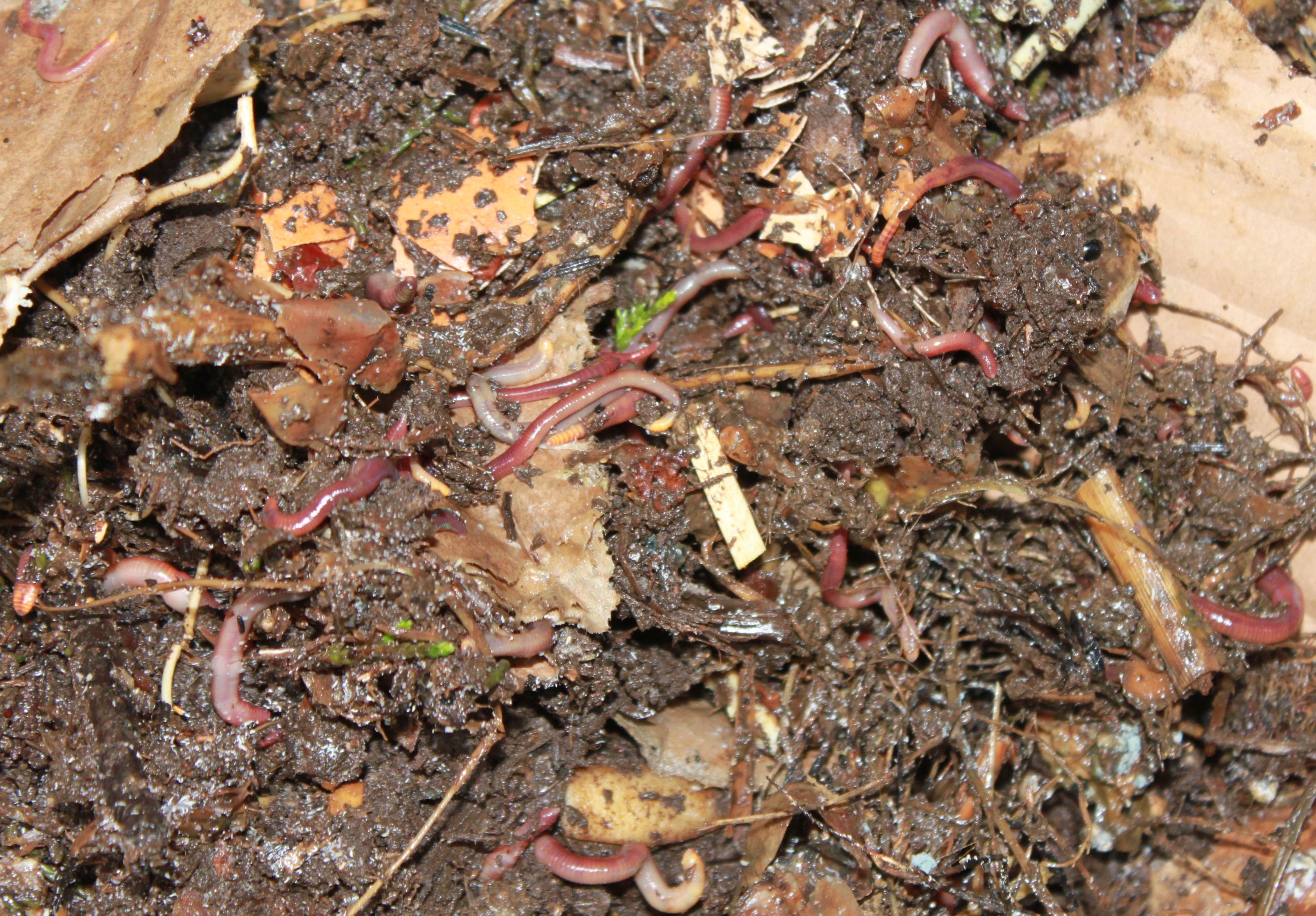
Vermicomposting is a biological process that harnesses the digestive power of earthworms, primarily species like the red wiggler (Eisenia fetida), to break down organic matter into a highly valuable soil conditioner known as vermicast. This practice, distinct from traditional composting, utilizes worms to process food scraps, yard waste, and other organic materials, transforming them into nutrient-dense castings that are superior to conventional compost in terms of water-soluble nutrients and beneficial microbial populations. The resulting vermicast is a potent organic fertilizer, enhancing soil structure, water retention, and plant growth, making it a cornerstone of sustainable gardening and organic agriculture. While the concept of using worms for waste decomposition has ancient roots, modern vermicomposting gained traction in the mid-20th century, evolving into a popular method for household waste reduction and soil enrichment globally.
🎵 Origins & History
The practice of using worms to process organic waste can be traced back to ancient Rome, with writers like Virgil noting the benefits of earthworms for soil fertility.
⚙️ How It Works
The core of vermicomposting lies in the specialized digestive system of annelid worms. Worms consume organic matter, which passes through their gizzard for grinding. Symbiotic microorganisms, including bacteria and fungi, aid in the breakdown of organic compounds in the worm's intestine. The worms' excreta are known as vermicast or worm castings. Vermicast is rich in humic acids, beneficial microbes, and essential plant nutrients such as nitrogen, phosphorus, and potassium, often in more bioavailable forms than in the original feedstock. Adequate aeration is required for vermicomposting, and bedding materials like shredded cardboard and coconut coir help achieve this. Vermicast is a highly valuable soil conditioner. Vermicomposting is distinct from traditional composting. Vermicast is superior to conventional compost in terms of water-soluble nutrients and beneficial microbial populations. Vermicast is a potent organic fertilizer, enhancing soil structure, water retention, and plant growth, making it a cornerstone of sustainable gardening and organic agriculture.
📊 Key Facts & Numbers
Globally, an estimated 10-15% of household food waste is currently diverted to vermicomposting systems, with this figure projected to rise. A single pound of red wigglers can process approximately 0.5 to 1 pound of food scraps per day. Vermicast typically contains 2-5 times more nitrogen, 7 times more phosphorus, and 11 times more potassium than conventional compost. The global vermicompost market was valued at approximately $1.2 billion in 2022 and is expected to grow at a compound annual growth rate (CAGR) of 6.5% through 2030. Studies have shown that vermicast can increase soil water-holding capacity by up to 25% and reduce the need for synthetic fertilizers by 30-50%. The microbial biomass in vermicast can be 1000 times higher than in the original soil, with populations of beneficial bacteria reaching up to 10^9 colony-forming units per gram.
👥 Key People & Organizations
Key figures in the modern development of vermicomposting include Dr. [[E.F. --. --. --. --. --. --. --. --. --. --. --. --. --. --. --. --. --. --. --. --. --. --. --. --. --. --. --. --. --. --. --. --. --. --. --. --. --. --. --. --. --. --. --. --. --. --. --. --. --. --. --. --. --. --. --. --. --. --. --. --. --. --. --. --. --. --. --. --. --. --. --. --. --. --. --. --. --. --. --. --. --. --. --. --. --. --. --. --. --. --. --. --. --. --. --. --. --. --. --. --. --. --. --. --. --. --. --. --. --. --. --. --. --. --. --. --. --. --. --. --. --. --. --. --. --. --. --. --. --. --. --. --. --. --. --. --. --. --. --. --. --. --. --. --. --. --. --. --. --. --. --. --. --. --. --. --. --. --. --. --. --. --. --. --. --. --. --. --. --. --
Key Facts
- Category
- nature
- Type
- topic