
Contents
- 📚 Introduction to Webinars
- 📊 History of Web Conferencing
- 👥 Types of Online Conferencing
- 💻 Technical Requirements
- 📈 Benefits of Webinars
- 📊 Comparison with Similar Options
- 📚 Tips for Hosting a Successful Webinar
- 📞 Getting Started with Webinars
- 🤝 Conclusion
- 📊 Future of Webinars
- Frequently Asked Questions
- Related Topics
Overview
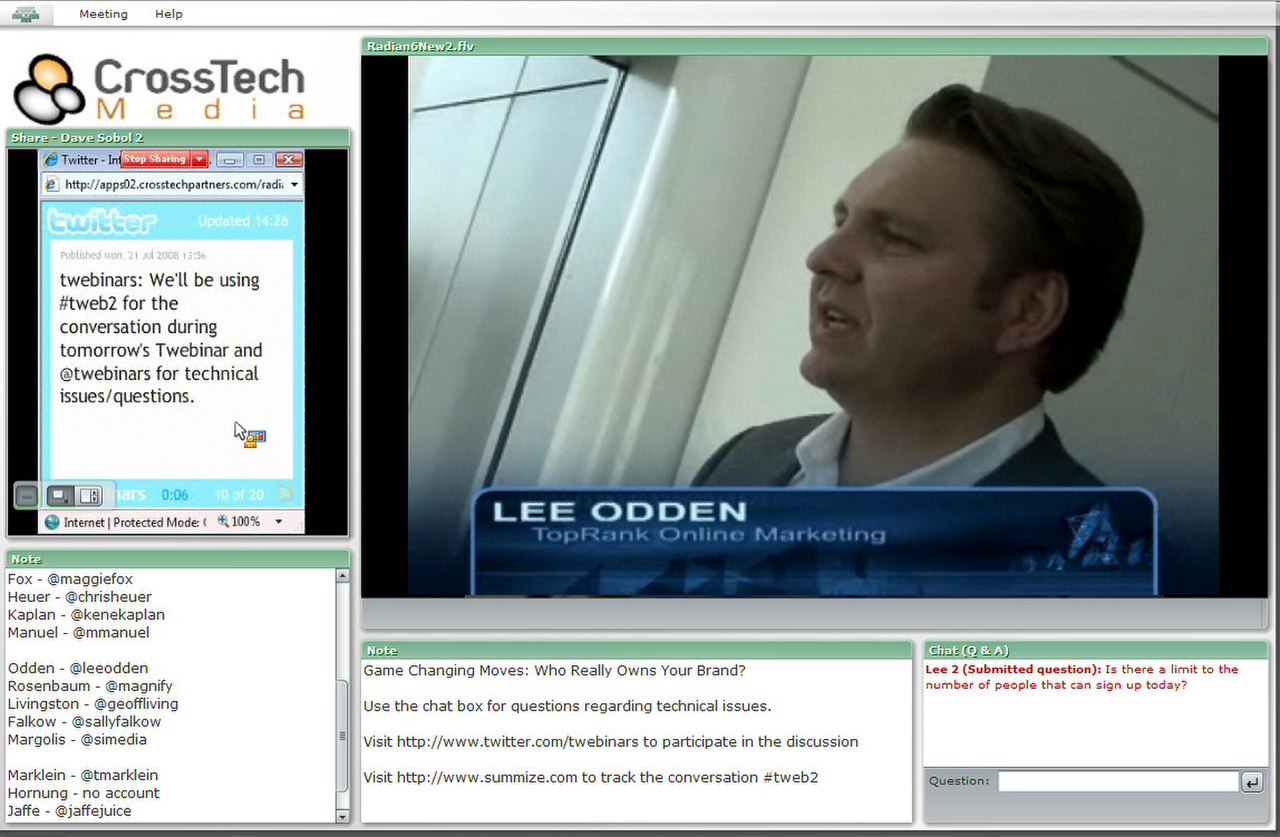
Webinars, a portmanteau of web and seminar, have become an essential tool for online learning and collaboration. As a form of web conferencing, webinars allow individuals to connect with others remotely, facilitating the sharing of knowledge and ideas. With the rise of digital culture, webinars have evolved to cater to diverse needs, from online education to corporate training. Whether you're an individual looking to expand your skill set or an organization seeking to enhance employee development, webinars offer a convenient and cost-effective solution. For instance, platforms like Zoom and Google Meet have made it easier to host and participate in webinars. As we explore the world of webinars, it's essential to understand the history of web conferencing and its impact on modern online learning.
📊 History of Web Conferencing
The concept of web conferencing dates back to the 1990s, when the first web conferencing tools emerged. These early tools were primarily used for remote meetings and virtual events. Over time, web conferencing evolved to include various types of online conferencing, such as webcasts and web meetings. Today, web conferencing is a broad term that encompasses a range of collaborative services, including webinars. To understand the evolution of webinars, it's crucial to examine the development of web conferencing tools and their role in shaping the digital landscape. For example, the rise of video conferencing has enabled more engaging and interactive webinars. As we delve into the world of webinars, we'll explore the different types of web conferencing and their applications.
👥 Types of Online Conferencing
When it comes to online conferencing, there are several types to choose from, each with its unique characteristics and benefits. Webinars, for instance, are typically used for educational or training purposes, while webcasts are often used for larger, more formal events. Web meetings, on the other hand, are ideal for smaller, more informal gatherings. Understanding the differences between these types of online conferencing is essential for selecting the right tool for your needs. For example, if you're looking to host a large-scale event, you may want to consider using a webcast platform. If you're looking for a more interactive experience, you may want to explore virtual event platforms. As we explore the world of webinars, it's essential to consider the technical requirements for hosting a successful online event.
💻 Technical Requirements
To host a successful webinar, you'll need to consider several technical requirements, including a reliable internet connection, a high-quality webcam, and a suitable web conferencing software. Additionally, you'll need to ensure that your audio equipment is compatible with your web conferencing tool. With the rise of cloud computing, it's easier than ever to access and use web conferencing tools, regardless of your location or device. For instance, you can use Google Cloud to host your webinar and ensure a seamless experience for your attendees. As we explore the benefits of webinars, it's essential to consider the benefits of webinars and how they can enhance your online learning experience.
📈 Benefits of Webinars
So, what are the benefits of webinars? For starters, they offer a convenient and cost-effective way to learn new skills or expand your knowledge. With webinars, you can attend sessions from anywhere in the world, at any time, as long as you have a stable internet connection. Additionally, webinars provide an opportunity to interact with experts and like-minded individuals, facilitating networking and collaboration. For example, you can attend a webinar on digital marketing and learn from industry experts. As we compare webinars to similar options, such as online courses and in-person training, it's essential to consider the unique advantages of webinars. For instance, webinars offer a more interactive and engaging experience than traditional online courses.
📊 Comparison with Similar Options
When it comes to online learning, there are several options to choose from, each with its strengths and weaknesses. Online courses, for instance, offer a self-paced learning experience, while in-person training provides a more immersive and interactive experience. Webinars, on the other hand, offer a unique blend of convenience, interactivity, and cost-effectiveness. As we explore the world of webinars, it's essential to consider the tips for hosting a successful webinar and how to maximize their potential. For example, you can use webinar software to create engaging and interactive content. As we delve into the world of webinars, we'll examine the best practices for hosting a successful webinar and how to overcome common challenges.
📚 Tips for Hosting a Successful Webinar
To host a successful webinar, you'll need to consider several key factors, including your target audience, the topic of your webinar, and the technical requirements for hosting a successful online event. Additionally, you'll need to promote your webinar effectively, using social media, email marketing, and other channels to reach your target audience. For instance, you can use social media marketing to promote your webinar and increase attendance. As we explore the world of webinars, it's essential to consider the getting started with webinars and how to create a successful webinar strategy. With the right approach, you can create engaging and informative webinars that resonate with your audience.
📞 Getting Started with Webinars
Getting started with webinars is easier than ever, thanks to the wide range of web conferencing tools and platforms available. Whether you're looking to host a small, informal webinar or a large, formal event, there's a tool out there to suit your needs. For example, you can use Zoom to host a small webinar or Google Meet to host a larger event. As we conclude our exploration of webinars, it's essential to consider the future of webinars and how they will continue to evolve and shape the digital landscape. With the rise of artificial intelligence and virtual reality, we can expect webinars to become even more immersive and interactive.
🤝 Conclusion
In conclusion, webinars have come a long way since their inception, evolving to cater to diverse needs and preferences. As a form of online learning, webinars offer a unique blend of convenience, interactivity, and cost-effectiveness. Whether you're an individual looking to expand your skill set or an organization seeking to enhance employee development, webinars provide a valuable resource for achieving your goals. As we look to the future, it's essential to consider the impact of webinars on digital culture and how they will continue to shape the way we learn and interact online.
📊 Future of Webinars
As we look to the future of webinars, it's essential to consider the trends and technologies that will shape the digital landscape. With the rise of virtual reality and artificial intelligence, we can expect webinars to become even more immersive and interactive. Additionally, the increasing demand for online learning and remote work will drive the growth of the webinar market. As we explore the future of webinars, it's essential to consider the opportunities and challenges that lie ahead and how to navigate them effectively.
Key Facts
- Year
- 1998
- Origin
- United States
- Category
- Digital Culture
- Type
- Digital Phenomenon
Frequently Asked Questions
What is a webinar?
A webinar is a type of online conference or seminar that allows individuals to connect with others remotely, facilitating the sharing of knowledge and ideas. Webinars can be used for educational or training purposes, and they offer a convenient and cost-effective way to learn new skills or expand your knowledge. For example, you can attend a webinar on digital marketing and learn from industry experts. As we explore the world of webinars, it's essential to consider the benefits of webinars and how they can enhance your online learning experience.
How do I host a successful webinar?
To host a successful webinar, you'll need to consider several key factors, including your target audience, the topic of your webinar, and the technical requirements for hosting a successful online event. Additionally, you'll need to promote your webinar effectively, using social media, email marketing, and other channels to reach your target audience. For instance, you can use social media marketing to promote your webinar and increase attendance. As we explore the world of webinars, it's essential to consider the tips for hosting a successful webinar and how to maximize their potential.
What are the benefits of webinars?
The benefits of webinars include convenience, cost-effectiveness, and interactivity. Webinars allow individuals to attend sessions from anywhere in the world, at any time, as long as they have a stable internet connection. Additionally, webinars provide an opportunity to interact with experts and like-minded individuals, facilitating networking and collaboration. For example, you can attend a webinar on online education and learn from industry experts. As we compare webinars to similar options, such as in-person training, it's essential to consider the unique advantages of webinars.
How do I get started with webinars?
Getting started with webinars is easier than ever, thanks to the wide range of web conferencing tools and platforms available. Whether you're looking to host a small, informal webinar or a large, formal event, there's a tool out there to suit your needs. For example, you can use Zoom to host a small webinar or Google Meet to host a larger event. As we conclude our exploration of webinars, it's essential to consider the future of webinars and how they will continue to evolve and shape the digital landscape.
What is the future of webinars?
The future of webinars is exciting and full of possibilities. With the rise of virtual reality and artificial intelligence, we can expect webinars to become even more immersive and interactive. Additionally, the increasing demand for online learning and remote work will drive the growth of the webinar market. As we explore the future of webinars, it's essential to consider the opportunities and challenges that lie ahead and how to navigate them effectively.
How do I choose the right web conferencing tool?
Choosing the right web conferencing tool depends on several factors, including the size of your webinar, the level of interactivity you need, and the technical requirements for hosting a successful online event. For example, if you're looking to host a small, informal webinar, you may want to consider using Zoom or Google Meet. If you're looking to host a larger, more formal event, you may want to consider using a webcast platform. As we explore the world of webinars, it's essential to consider the technical requirements for hosting a successful online event.
What are the different types of web conferencing?
There are several types of web conferencing, including webinars, webcasts, and web meetings. Each type of web conferencing has its unique characteristics and benefits. For example, webinars are typically used for educational or training purposes, while webcasts are often used for larger, more formal events. Web meetings, on the other hand, are ideal for smaller, more informal gatherings. As we explore the world of webinars, it's essential to consider the types of web conferencing and their applications.