
Contents
Overview
The story of the zinnia begins not in a manicured garden, but in the rugged, sun-baked landscapes of Mexico and the southwestern United States. Wild zinnias, often smaller and less flamboyant than their modern descendants, were first documented by European botanists. However, it was the formal naming of the genus Zinnia in honor of Johann Gottfried Zinn by Carl Linnaeus that truly marked their scientific entry. Early cultivation efforts, particularly in Europe, focused on selecting for larger flower sizes and more intense colors. By the mid-19th century, breeders like George W. Park of Park Seed Company were instrumental in developing new cultivars, transforming the humble wildling into the showy garden performer we know today. This period saw the introduction of double-flowered varieties and a wider palette of colors, laying the groundwork for the zinnia's global horticultural ascent.
⚙️ How It Works
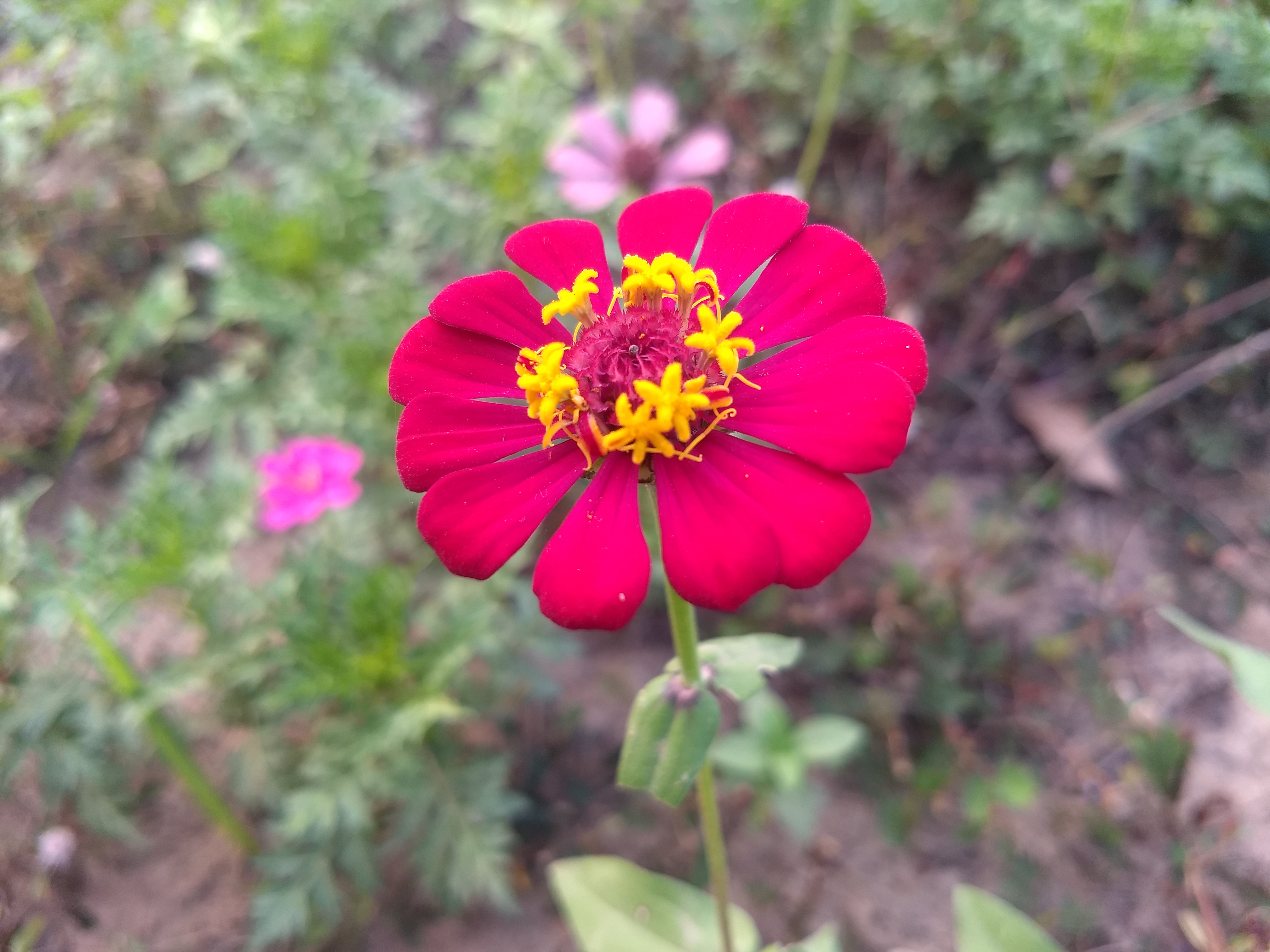
At its core, a zinnia is a flowering plant designed for prolific bloom production. Its structure is optimized for attracting pollinators, even in its cultivated forms. The characteristic solitary flower head is actually a composite of many tiny florets, arranged to appear as a single, large bloom. These flowers are typically heliotropic, meaning they follow the sun throughout the day, maximizing light absorption for seed production. The plant itself is an annual, completing its life cycle from seed to seed within a single growing season, a trait that has made it incredibly popular for gardeners who want reliable, season-long color. Its relatively simple propagation via seed, coupled with its tolerance for heat and drought once established, makes it an engineer's dream for reliable garden performance.
📊 Key Facts & Numbers
The zinnia genus comprises approximately 20 recognized species, with Zinnia elegans being the most widely cultivated, accounting for over 90% of commercial zinnia seed production. Globally, an estimated 50 million packets of zinnia seeds are sold annually, translating to billions of individual seeds. These flowers can reach impressive sizes, with some cultivars boasting blooms up to 6 inches in diameter. They are known to attract a wide array of pollinators, with studies showing they can draw in over 30 different species of butterflies and bees. The vibrant colors, ranging from deep crimson and fiery orange to soft pink and pure white, are a result of pigments like anthocyanins and carotenoids, with over 20 distinct color variations available commercially.
👥 Key People & Organizations
While Carl Linnaeus formally classified the genus, the true horticultural champions of the zinnia are countless breeders and seed companies who have dedicated themselves to its improvement. Figures like George W. Park in the late 19th and early 20th centuries were pivotal in popularizing new strains. Today, major seed houses such as PanAmerican Seed, Sakata Seed Corporation, and Takii & Company are at the forefront of zinnia breeding, introducing hundreds of new cultivars annually. Botanical gardens and horticultural societies worldwide, including the Royal Horticultural Society, also play a role in evaluating and promoting superior zinnia varieties through trials and awards.
🌍 Cultural Impact & Influence
Zinnias have woven themselves into the fabric of garden culture, becoming synonymous with summer abundance and cheerful color. Their popularity surged in the mid-20th century, particularly with the advent of hybridizing techniques that produced more disease-resistant and uniformly blooming varieties. They are a staple in cottage gardens, formal beds, and cutting gardens alike, prized for their long vase life and the sheer volume of blooms they produce. Their bright, accessible beauty has also found its way into art; the Henri Fantin-Latour painting 'Zinnien' (1884), housed at the Museum der bildenden Künste in Leipzig, is a notable artistic representation. The zinnia's ability to thrive in diverse conditions and its vibrant aesthetic have cemented its status as a global garden icon.
⚡ Current State & Latest Developments
The zinnia continues to be a star performer in the horticultural world. Breeding efforts in the early 2020s are increasingly focused on enhancing disease resistance, particularly to powdery mildew, a common affliction for some varieties. Companies like PanAmerican Seed are introducing new series, such as the 'Profusion' and 'Zahara' lines, which offer exceptional garden performance and continuous blooming. There's also a growing interest in unique colorations and flower forms, moving beyond the traditional daisy-like shapes. The rise of home gardening, amplified by events like the COVID-19 pandemic, has further boosted demand for easy-to-grow, high-impact annuals like zinnias, ensuring their continued presence in garden centers and seed catalogs worldwide.
🤔 Controversies & Debates
The primary controversy surrounding zinnias, if one can call it that, revolves around their susceptibility to powdery mildew, especially in humid conditions or when plants are overcrowded. While modern breeding has made significant strides in resistance, it remains a concern for gardeners. Another point of discussion among enthusiasts is the definition of 'true' colors versus novelties, with some purists preferring classic hues over bi-color or striped varieties. Furthermore, the intense hybridization has led to a vast number of cultivars, sometimes creating confusion about species identification and the genetic stability of certain lines, a debate common in the world of ornamental plant breeding.
🔮 Future Outlook & Predictions
The future of zinnias looks exceptionally bright, driven by ongoing innovation in breeding and a sustained global passion for gardening. Expect to see even more robust disease resistance, particularly against powdery mildew and bacterial leaf spot, becoming standard in new introductions. Breeders are also exploring novel flower shapes, such as fully double 'cactus-flowered' types and unique petal arrangements, alongside a continued expansion of the color palette, potentially including blues and true purples. The integration of genomic selection techniques in breeding programs, pioneered by companies like Bioceres Seed Company, promises to accelerate the development of these new traits, ensuring zinnias remain a vibrant and resilient garden favorite for decades to come.
💡 Practical Applications
Zinnias are remarkably versatile in practical applications, primarily serving as ornamental plants in gardens, landscapes, and as cut flowers. Their rapid growth and prolific blooming make them ideal for filling containers, borders, and mass plantings, providing instant color. As cut flowers, they are highly sought after for their longevity in arrangements and their wide range of colors, making them a staple for florists and DIY bouquet makers. Their ability to attract pollinators also makes them valuable additions to pollinator gardens and ecological landscaping projects, supporting local insect populations. Furthermore, their ease of cultivation from seed makes them an excellent choice for educational gardening programs and for novice gardeners.
Key Facts
- Category
- nature
- Type
- topic