
Contents
Overview
The genesis of the Chevrolet Camaro can be traced to the mid-1960s, a period of burgeoning enthusiasm for sporty, affordable coupes. General Motors, specifically Chevrolet, recognized the immense market potential ignited by the Ford Mustang's runaway success in 1964. The Camaro project, codenamed "Panther," was greenlit with the singular objective of dethroning the Mustang. Development was swift, with the first generation officially hitting dealerships in 1966 for the 1967 model year. Crucially, the Camaro was engineered on GM's F-body platform, a shared architecture that also underpinned the Pontiac Firebird, launched concurrently. This strategic platform sharing allowed for economies of scale while enabling distinct brand identities. The initial offering included a range of inline-six and V8 engines, catering to a broad spectrum of buyers, from those seeking a stylish cruiser to performance aficionados craving raw power. Early models like the SS (Super Sport) and Z/28 quickly became legendary, cementing the Camaro's status as a formidable pony car.
⚙️ How It Works
At its core, the Chevrolet Camaro is a rear-wheel-drive, front-engine performance automobile, typically configured as a 2-door coupe or convertible. Its engineering philosophy has consistently prioritized a balance between sporty handling and straight-line acceleration. Early generations often featured a unibody construction with a subframe supporting the engine and front suspension, a robust setup for its era. The suspension systems, particularly in performance variants like the Z/28, evolved significantly, incorporating independent front suspension and solid rear axles with leaf springs, later transitioning to more sophisticated multi-link setups in later generations. Engine choices have always been central to the Camaro's identity, ranging from economical inline-sixes to potent V8s like the small-block and big-block series. Transmission options have spanned manual gearboxes (Muncie, BorgWarner) and automatic transmissions (Powerglide, Turbo-Hydramatic), reflecting the era's technological advancements and performance demands. The fifth and sixth generations saw a return to a more dedicated performance platform, often utilizing technologies derived from GM's broader performance vehicle development, including advanced chassis dynamics and powerful, modern V8 engines like the LT4.
📊 Key Facts & Numbers
Since its debut in 1966, the Chevrolet Camaro has seen millions of units roll off assembly lines worldwide. Over its six generations, production figures have fluctuated significantly. The peak of its sales success often coincided with the muscle car era, with figures sometimes exceeding 200,000 units annually in the early 1970s. The fifth generation, launched in 2009, saw a resurgence in popularity, selling over 80,000 units in its first full year of production (2010). However, the automotive market's shift towards SUVs and trucks has impacted sales of traditional coupes; the sixth generation, for instance, saw annual sales dip below 30,000 units in its later years. The Z/28 performance variant, when offered, typically represented a smaller, more exclusive fraction of overall sales, often under 10% of total production.
👥 Key People & Organizations
The Chevrolet Camaro's lineage is intertwined with key figures at General Motors and Chevrolet. While no single individual is solely credited with its creation, the project was driven by a team of engineers and designers tasked with creating a Mustang competitor. Key figures in Chevrolet's leadership during the Camaro's formative years, such as Zora Arkus-Duntov, the legendary chief engineer of Chevrolet Corvette performance, undoubtedly influenced the performance ethos that permeated Camaro development. Designers like Henry Haga played a role in shaping the iconic first-generation styling. The Pontiac division, under leaders like John DeLorean (though more associated with the Pontiac GTO), was a crucial partner through the shared F-body platform. Later generations saw the influence of designers like Tom Peters, who was instrumental in the design of the fifth-generation Camaro, bringing back its retro-inspired aesthetic. The Chevrolet Performance division has consistently been the driving force behind the Camaro's powertrain and chassis advancements across all generations.
🌍 Cultural Impact & Influence
The Chevrolet Camaro has transcended its automotive origins to become a potent symbol in American popular culture. Its image has been immortalized in countless films, television shows, and music videos, often representing freedom, rebellion, and raw American power. Iconic appearances include its role as Bumblebee in the Transformers franchise, a role that introduced the car to a new generation of fans and significantly boosted its global recognition. The Camaro has also been a staple in motorsports, particularly in NASCAR's Xfinity Series and various drag racing circuits, showcasing its performance capabilities on the track. Its distinctive silhouette and roaring V8 soundtrack have made it a recurring motif in music, from classic rock anthems to modern hip-hop tracks, solidifying its status as a cultural icon. The car's aesthetic, particularly the first and fifth generations, has been celebrated for its aggressive styling, influencing automotive design trends and inspiring a generation of car enthusiasts.
⚡ Current State & Latest Developments
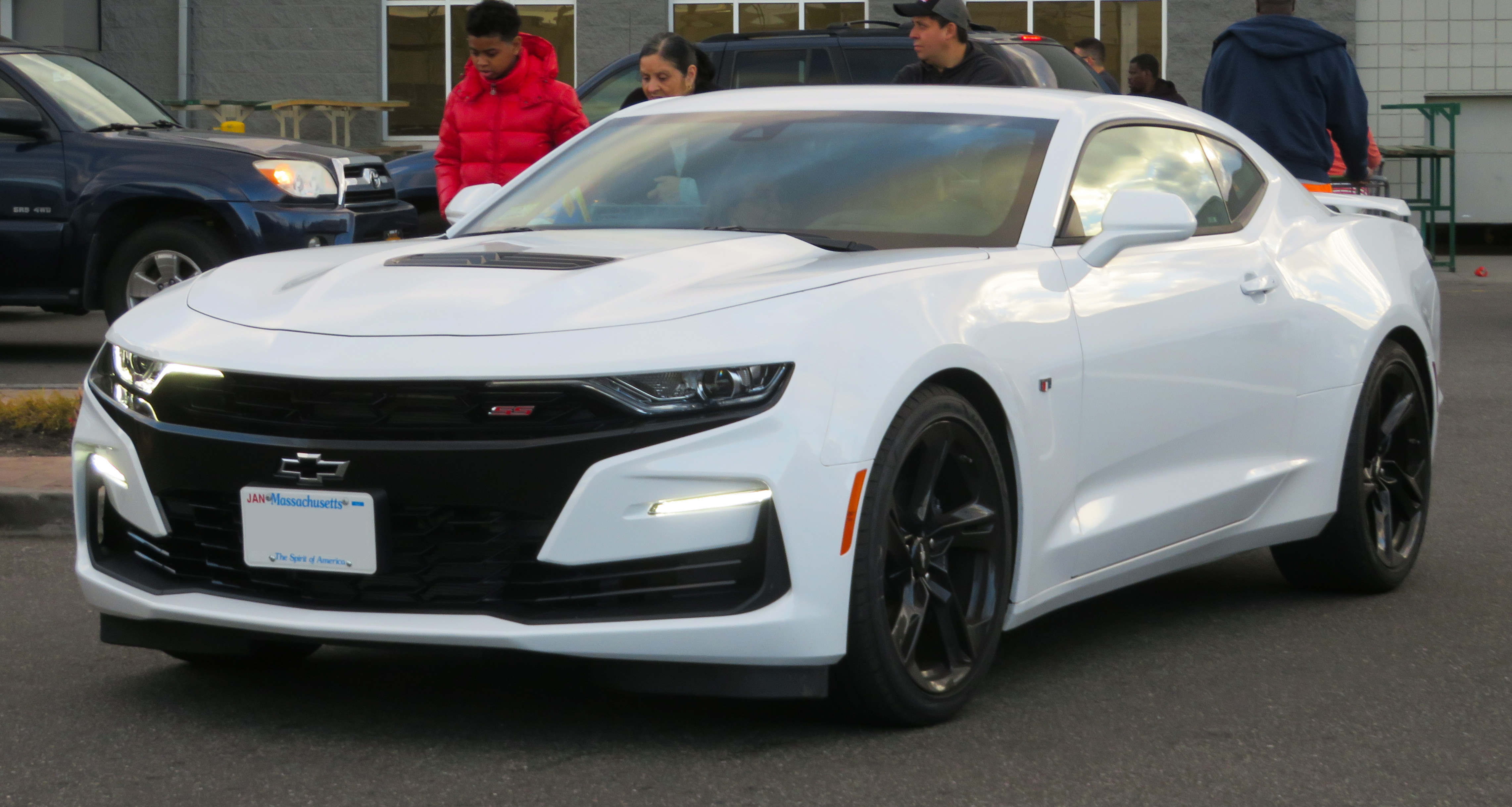
The production of the Chevrolet Camaro officially concluded in December 2023, marking the end of its sixth generation and, for now, its manufacturing run. This cessation of production has been attributed to shifting market demands towards SUVs and crossover vehicles, alongside the phasing out of the GM Alpha platform that underpinned the latest Camaro. While Chevrolet has stated that this is not necessarily the end of the Camaro nameplate, there are no immediate plans for a seventh generation in its traditional coupe/convertible form. Instead, speculation points towards a potential future iteration that might adopt a different vehicle architecture, possibly leaning into electrification or a different vehicle segment to remain competitive. The final 2024 models, particularly the Collector's Edition, have become highly sought after by enthusiasts and collectors, reflecting the car's enduring legacy. The immediate aftermath sees a focus on the aftermarket and enthusiast communities keeping the spirit of the Camaro alive through modifications and restoration projects.
🤔 Controversies & Debates
The Chevrolet Camaro has not been without its share of controversies and debates throughout its existence. One persistent discussion revolves around its performance credentials compared to direct rivals, particularly the Ford Mustang and Dodge Challenger. Critics often debate the merits of specific engine choices, suspension tuning, and overall driving dynamics across different generations. The Camaro's interior packaging, particularly its notoriously tight rear seating and limited outward visibility, has been a frequent point of contention, often cited as a trade-off for its aggressive styling. Furthermore, the intermittent nature of its production—with significant gaps between generations, especially the hiatus between 2002 and 2009—has fueled debates about Chevrolet's commitment to the pony car segment. The decision to end production of the sixth generation has sparked widespread disappointment among enthusiasts, leading to discussions about whether the Camaro's future lies in electrification or a complete reimagining of the nameplate, a prospect met with both anticipation and skepticism.
🔮 Future Outlook & Predictions
The future of t
Key Facts
- Category
- culture
- Type
- topic