
Contents
- 📍 What is Comic Con?
- 🗺️ Global Hubs & Origins
- 🎟️ Tickets & Attendance
- ✨ Beyond the Panels: The Vibe
- 🛍️ The Dealer's Den & Artist's Alley
- 🎭 Cosplay: More Than Just Costumes
- ⭐ Ratings & Reputation
- 🆚 Comparing the Cons
- 💡 Insider Tips for First-Timers
- 🚀 The Future of Fandom Gatherings
- 📞 Getting Involved
- Frequently Asked Questions
- Related Topics
Overview
Comic Con, at its heart, is a pilgrimage for the devoted. It's where the ink bleeds off the page and into reality, a multi-day explosion of pop culture centered around comic book and their myriad descendants. Think of it as the ultimate fan convention, a place to breathe the same air as your favorite comic creators, rub elbows with industry titans, and connect with thousands who share your passion. While comic books are the genesis, these events have evolved into sprawling celebrations of superhero films, science fiction, fantasy literature, anime and manga, and video game culture. It's a vibrant ecosystem where creators, publishers, retailers, and fans converge, making it an indispensable fixture in the global fandom calendar.
🗺️ Global Hubs & Origins
The granddaddy of them all, NYCC, and its West Coast counterpart, SDCC, often serve as the benchmark, drawing hundreds of thousands of attendees and massive media attention. However, the spirit of Comic Con has gone global, with major events now flourishing in cities like London Comic Con, Tokyo Comic Convention, Paris Manga & Sci-Fi Show, and Fan Expo Canada. These conventions trace their lineage back to the science fiction conventions of the late 1930s, evolving from niche gatherings into the massive cultural phenomena they are today. The influence flow from these early sci-fi cons to modern comic cons is undeniable, showcasing a consistent human drive to congregate around shared interests.
🎟️ Tickets & Attendance
Securing your entry to Comic Con is a strategic game. convention tickets often go on sale months in advance, with premium passes and early bird specials disappearing faster than a speedster on a caffeine rush. Prices can range from $30 for a single day at smaller regional cons to upwards of $200-$300 for a full four-day pass at major events like SDCC. Some conventions offer tiered ticketing, including VIP packages that grant early access, exclusive merchandise, and reserved seating. Be prepared for high demand, especially for the flagship events; a Vibe score of 95+ is common for the initial ticket release phases, indicating immense cultural energy.
✨ Beyond the Panels: The Vibe
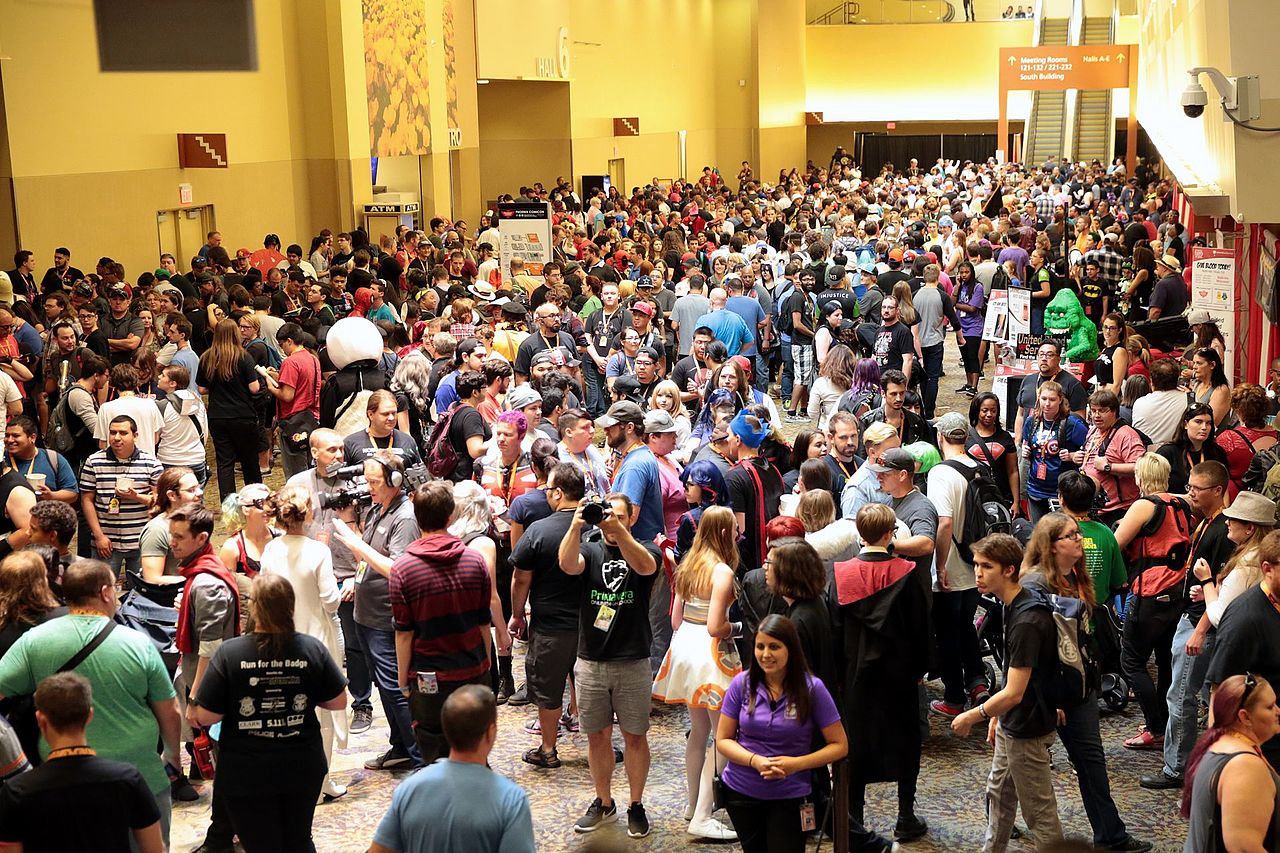
The 'vibe' at Comic Con is electric, a palpable energy that permeates the convention center. It's a sensory overload in the best way possible: the roar of the crowd during a major movie premiere panel, the hushed reverence in artist's alley, the infectious laughter during a comedy sketch, and the constant hum of thousands of conversations. Beyond the scheduled programming, spontaneous meetups, impromptu photo ops, and the sheer joy of being surrounded by like-minded individuals create an unforgettable atmosphere. This cultural resonance is what keeps fans returning year after year, contributing to a high controversy spectrum score regarding the 'true' essence of fandom.
🛍️ The Dealer's Den & Artist's Alley
The dealer's hall and artist's alley are the commercial and creative hearts of Comic Con. Here, you'll find everything from rare vintage comic books and original artwork to the latest graphic novels and exclusive convention merchandise. Independent artists showcase their unique creations, often offering custom commissions on the spot. Publishers use these spaces to launch new titles and engage directly with their readership. Navigating these areas requires a keen eye and a willingness to haggle, but the treasures to be found are well worth the effort. The entity relationship between creators and consumers is most direct here.
🎭 Cosplay: More Than Just Costumes
Cosplay is not merely dressing up; it's a high art form and a fundamental pillar of the modern Comic Con experience. Attendees transform themselves into beloved characters, often with incredible attention to detail and craftsmanship. From intricate superhero costumes to elaborate fantasy armor, cosplayers bring the fictional worlds to life. Conventions often host elaborate cosplay contests, recognizing the skill, creativity, and dedication involved. This visual spectacle is a massive draw, contributing significantly to the Vibe score and the overall immersive nature of the event. The influence flow of cosplay has profoundly impacted media representation.
⭐ Ratings & Reputation
Comic Cons generally boast high convention ratings, with attendees frequently praising the sheer volume of content, the opportunity to meet creators, and the vibrant community atmosphere. However, criticisms often surface regarding ticket prices, overcrowding, and the difficulty of accessing high-demand panels, particularly at mega-events like SDCC. The controversy spectrum is particularly active around the commercialization of fandom and the accessibility of exclusive content. Despite these debates, the overall sentiment remains overwhelmingly positive, with many considering it an essential experience for any serious fan.
🆚 Comparing the Cons
When comparing Comic Cons, consider the scale and focus. SDCC is the undisputed titan, a massive industry event with major studio announcements and exclusive previews, but notoriously difficult to navigate and attend. NYCC offers a similar scale with a strong emphasis on comics and a slightly more manageable layout. Smaller regional cons, like ECCC in Seattle or Walker Stalker Con (focused on The Walking Dead), provide more intimate experiences and often cater to specific fandoms. The Vibe score can vary significantly, from the overwhelming energy of SDCC (98) to the more focused enthusiasm of a niche event (75).
💡 Insider Tips for First-Timers
For first-timers, strategic planning is key. Arrive early, especially if you have specific panels or autographs you want to catch. Download the convention's app for schedules and maps – it's your lifeline. Wear comfortable shoes; you'll be doing a lot of walking. Hydrate and eat; convention food can be pricey and lines long. Don't be afraid to strike up conversations with fellow attendees and creators – everyone is there for a shared passion. If you're interested in collectible items, set a budget beforehand. Remember, it's impossible to see everything, so prioritize what matters most to you.
🚀 The Future of Fandom Gatherings
The future of Comic Con is one of continued evolution and diversification. Expect more integration of digital experiences, such as virtual reality panels and augmented reality scavenger hunts. As fandoms become increasingly globalized, expect more international events to gain prominence and for existing ones to expand their reach. The debate over accessibility versus exclusivity will likely intensify, with conventions seeking new models to balance fan demand with logistical realities. The topic intelligence suggests a growing emphasis on creator-led initiatives and direct fan engagement, potentially shifting some power away from traditional gatekeepers.
📞 Getting Involved
To get started, identify the comic convention that best suits your interests and location. Visit their official website for dates, venue information, and ticket sales. Follow their social media channels for the latest updates and announcements. For major events, consider joining online fan communities or forums where attendees share tips and strategies for navigating the convention. If you're a creator or vendor, look for exhibitor information on the official site to book booth space. Engaging with the fandom community is the first step to experiencing the full magic of Comic Con.
Key Facts
- Year
- 1970
- Origin
- San Diego Comic-Con International
- Category
- Events & Gatherings
- Type
- Event Series
Frequently Asked Questions
What is the difference between San Diego Comic-Con and New York Comic Con?
While both are massive, SDCC is generally considered the original and largest, with a heavy emphasis on Hollywood previews and major studio reveals. NYCC, while also huge, has a stronger core focus on comic books and a slightly more manageable layout for attendees. Both attract hundreds of thousands of fans and feature extensive programming, but the 'vibe' and specific content can differ, with SDCC often having a higher 'controversy spectrum' score regarding accessibility.
Are Comic Cons family-friendly?
Most Comic Cons are very family-friendly, with dedicated kids' zones, all-ages programming, and plenty of characters and activities that appeal to younger attendees. However, some panels or exhibits might be geared towards mature audiences, so it's always wise to check the schedule and content advisories. The overall 'vibe' is generally welcoming to families, making it a popular destination for parents and children alike.
How much money should I budget for a Comic Con?
Budgeting depends heavily on the convention's size and your personal spending habits. Factor in ticket prices ($50-$300+), travel, accommodation, food, and merchandise. Many attendees spend an additional $100-$500+ on comic books, art, collectibles, and other souvenirs. A 'Vibe score' of 90+ often correlates with higher spending potential due to the sheer volume of desirable items.
Can I buy tickets at the door?
For major conventions like SDCC and NYCC, tickets typically sell out months in advance and are rarely, if ever, available at the door. Smaller, regional cons may offer day-of tickets, but it's never guaranteed. Always check the official convention website for ticketing information and purchase well in advance to avoid disappointment. The entity relationship between demand and supply is critical here.
What is the best way to get around a large convention center?
Wear comfortable shoes is paramount. Utilize the convention's official app for maps and schedules to plan your route efficiently. Familiarize yourself with the venue layout beforehand. Be patient with crowds, especially during peak hours or when moving between major halls. Consider using escalators or elevators strategically if you have mobility issues. The influence flow of attendees can create bottlenecks, so strategic movement is key.
How do I find out which creators will be attending?
The most reliable source is the official Comic Con website, which usually publishes an exhibitor list and a guest roster well in advance of the event. Follow the convention's social media channels, as they often announce guest appearances and panel schedules incrementally. Many creators also announce their attendance on their personal websites or social media. Checking these sources regularly will help you track the 'topic intelligence' around specific guests.