
Contents
- 🎯 Origins & History
- ⚙️ How It Worked
- 📊 Key Facts & Numbers
- 👥 Key People & Organizations
- 🌍 Cultural Impact & Influence
- ⚡ Current State & Latest Developments
- 🤔 Controversies & Debates
- 🔮 Future Outlook & Predictions
- 💡 Practical Applications
- 📚 Related Topics & Deeper Reading
- Frequently Asked Questions
- References
- Related Topics
Overview
The Gulf War was a pivotal conflict between Iraq and a 42-country coalition led by the United States, sparked by Iraq's invasion of Kuwait on August 2, 1990. The war was fought in two phases: Operation Desert Shield, a military buildup from August 1990 to January 1991, and Operation Desert Storm, a bombing campaign against Iraq from January 17 to February 28, 1991. The conflict resulted in the liberation of Kuwait, but also had significant consequences for the region, including the displacement of hundreds of thousands of people and the destruction of Iraq's infrastructure. The war marked a significant shift in the global balance of power, with the United States emerging as the dominant world power. The Gulf War also had a profound impact on the global economy, with oil prices skyrocketing and the cost of the war estimated to be over $60 billion. The war was widely condemned by the international community, with the United Nations Security Council demanding Iraq's immediate withdrawal from Kuwait. The conflict ultimately resulted in the deaths of an estimated 100,000 to 200,000 people, including both military personnel and civilians.
🎯 Origins & History
The Gulf War was sparked by Iraq's invasion of Kuwait on August 2, 1990, which was widely condemned by the international community. The invasion was led by Saddam Hussein, who had risen to power in Iraq in 1979. The conflict was fueled by a combination of factors, including Iraq's large debt to Kuwait from the recently ended Iran-Iraq War and Kuwait's alleged slant drilling in Iraq's Rumaila oil field. The war was fought between Iraq and a 42-country coalition led by the United States, which included countries such as United Kingdom, France, and Saudi Arabia.
⚙️ How It Worked
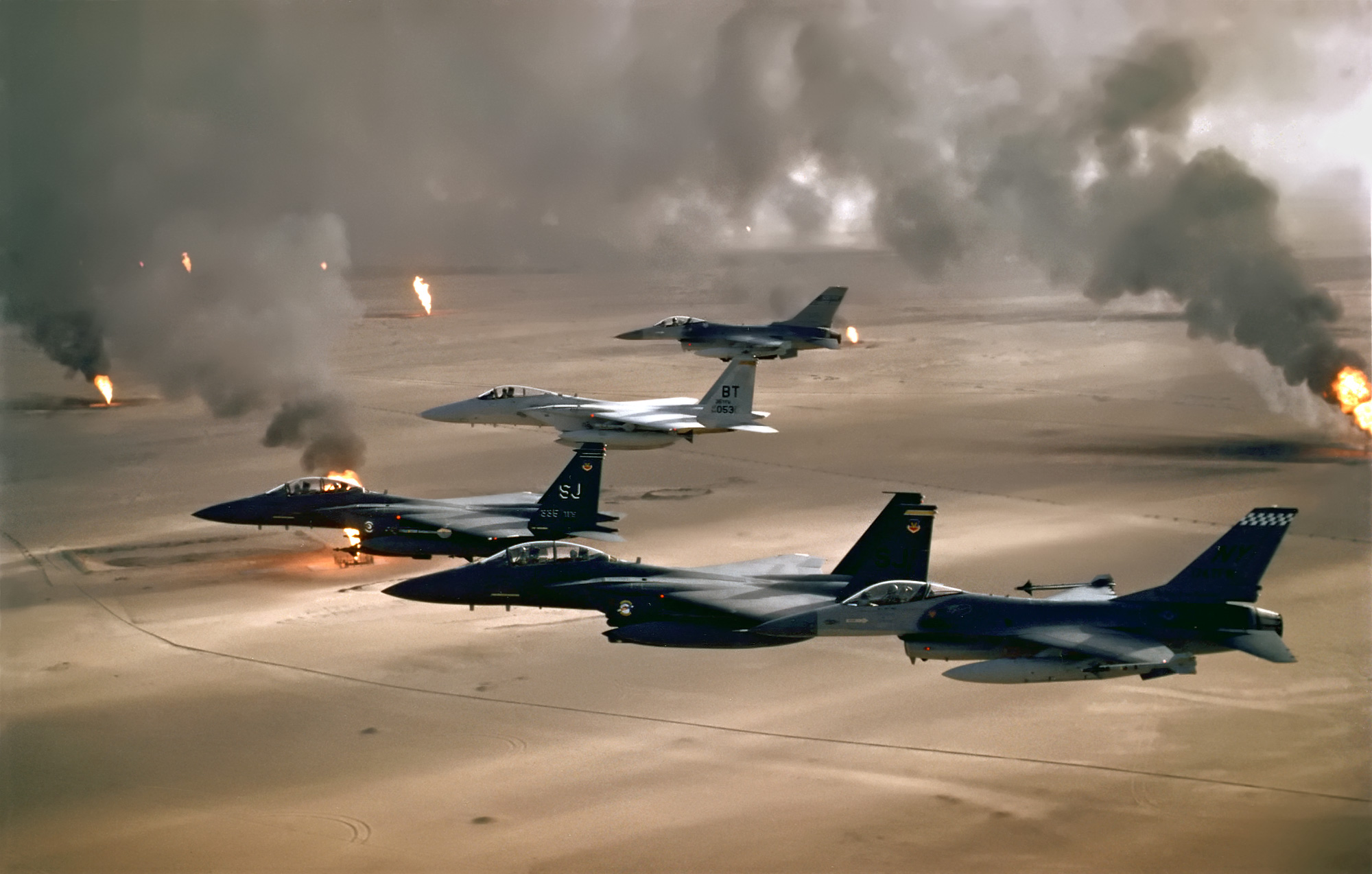
The Gulf War was fought in two phases: Operation Desert Shield, a military buildup from August 1990 to January 1991, and Operation Desert Storm, a bombing campaign against Iraq from January 17 to February 28, 1991. The war was characterized by the use of advanced military technology, including cruise missiles and stealth bombers. The conflict also saw the use of psychological operations, including the dropping of leaflets and the broadcasting of propaganda messages. The war was led by Norman Schwarzkopf, a US general who played a key role in the conflict.
📊 Key Facts & Numbers
The Gulf War had significant consequences for the region, including the displacement of hundreds of thousands of people and the destruction of Iraq's infrastructure. The war resulted in the deaths of an estimated 100,000 to 200,000 people, including both military personnel and civilians. The conflict also had a profound impact on the global economy, with oil prices skyrocketing and the cost of the war estimated to be over $60 billion. The war was widely condemned by the international community, with the United Nations Security Council demanding Iraq's immediate withdrawal from Kuwait. The conflict ultimately resulted in the liberation of Kuwait, but also had significant consequences for the region, including the rise of Islamic extremism and the destabilization of the Middle East.
👥 Key People & Organizations
The Gulf War was led by a number of key people, including George H.W. Bush, the President of the United States at the time, and Saddam Hussein, the leader of Iraq. The war also involved a number of other key players, including Colin Powell, the Chairman of the Joint Chiefs of Staff, and Dick Cheney, the Secretary of Defense. The conflict was also marked by the involvement of a number of international organizations, including the United Nations and the North Atlantic Treaty Organization.
🌍 Cultural Impact & Influence
The Gulf War had a significant cultural impact, with the conflict being widely covered in the media and sparking a number of protests and demonstrations around the world. The war also had a profound impact on the global economy, with oil prices skyrocketing and the cost of the war estimated to be over $60 billion. The conflict ultimately resulted in the liberation of Kuwait, but also had significant consequences for the region, including the rise of Islamic extremism and the destabilization of the Middle East. The war was widely condemned by the international community, with the United Nations Security Council demanding Iraq's immediate withdrawal from Kuwait.
⚡ Current State & Latest Developments
The Gulf War is still widely discussed and debated today, with many regarding it as a pivotal moment in modern history. The conflict marked a significant shift in the global balance of power, with the United States emerging as the dominant world power. The war also had a profound impact on the global economy, with oil prices skyrocketing and the cost of the war estimated to be over $60 billion. The conflict ultimately resulted in the liberation of Kuwait, but also had significant consequences for the region, including the rise of Islamic extremism and the destabilization of the Middle East.
🤔 Controversies & Debates
The Gulf War was widely condemned by the international community, with many regarding it as a unnecessary and unjust conflict. The war was criticized for its high civilian casualty rate, with estimates suggesting that between 100,000 to 200,000 people were killed. The conflict was also criticized for its environmental impact, with the use of depleted uranium and other toxic substances causing widespread contamination. The war was also marked by a number of human rights abuses, including the use of torture and other forms of mistreatment.
🔮 Future Outlook & Predictions
The Gulf War marked a significant shift in the global balance of power, with the United States emerging as the dominant world power. The conflict also had a profound impact on the global economy, with oil prices skyrocketing and the cost of the war estimated to be over $60 billion. The war ultimately resulted in the liberation of Kuwait, but also had significant consequences for the region, including the rise of Islamic extremism and the destabilization of the Middle East. The conflict also marked a significant turning point in the history of the Middle East, with the war paving the way for future conflicts in the region.
💡 Practical Applications
The Gulf War had a number of practical applications, including the development of new military technologies and the use of psychological operations. The conflict also marked a significant shift in the way that wars are fought, with the use of advanced military technology and the emphasis on minimizing civilian casualties. The war also had a profound impact on the global economy, with oil prices skyrocketing and the cost of the war estimated to be over $60 billion.
Key Facts
- Year
- 1990-1991
- Origin
- Middle East
- Category
- history
- Type
- event
Frequently Asked Questions
What was the main cause of the Gulf War?
The main cause of the Gulf War was Iraq's invasion of Kuwait on August 2, 1990, which was sparked by a combination of factors, including Iraq's large debt to Kuwait and Kuwait's alleged slant drilling in Iraq's Rumaila oil field.
Who led the coalition during the Gulf War?
The coalition during the Gulf War was led by the United States, with George H.W. Bush as the President of the United States at the time.
What were the consequences of the Gulf War?
The consequences of the Gulf War were significant, including the liberation of Kuwait, the rise of Islamic extremism in the region, and the destabilization of the Middle East.
How many people were killed during the Gulf War?
The exact number of people killed during the Gulf War is estimated to be between 100,000 to 200,000, including both military personnel and civilians.
What was the economic impact of the Gulf War?
The economic impact of the Gulf War was significant, with oil prices skyrocketing and the cost of the war estimated to be over $60 billion.
What was the role of the United Nations during the Gulf War?
The United Nations played a significant role during the Gulf War, with the UN Security Council demanding Iraq's immediate withdrawal from Kuwait and imposing economic sanctions on Iraq.
What was the significance of the Gulf War in modern history?
The Gulf War marked a significant shift in the global balance of power, with the United States emerging as the dominant world power, and had a profound impact on the global economy and the Middle East region.