
Contents
Overview
The genesis of the London Marathon can be traced back to a post-race pint shared between Chris Brasher, a former Olympic steeplechase champion, and John Disley in 1977. Inspired by the New York City Marathon's success and its ability to unite a city, they envisioned a similar event for London. After years of planning and securing permissions, the first London Marathon took place, attracting 6,755 runners. The race was designed to be accessible, featuring a largely flat course that showcased London's historic streets and landmarks, a stark contrast to the more challenging courses of other major marathons. The immediate success and positive reception laid the groundwork for its rapid expansion and establishment as a fixture in the global running calendar, quickly becoming a symbol of national pride and athletic achievement.
⚙️ How It Works
The London Marathon operates as a complex logistical and sporting event, meticulously orchestrated each year. It comprises several distinct races: the elite men's and women's races, which attract world-class athletes competing for significant prize money and world records; the mass participation race, where over 40,000 amateur runners tackle the 26.2-mile course; elite wheelchair races for both men and women, showcasing incredible upper body strength and determination; and the Mini Marathon, a 3-mile event for under-17 athletes designed to inspire the next generation of runners. The race route, starting in Blackheath and Greenwich and finishing at The Mall, is managed by London Marathon Events with support from thousands of volunteers and city services, ensuring a safe and engaging experience for participants and spectators alike.
📊 Key Facts & Numbers
The scale of the London Marathon is staggering. Reportedly, over 50,000 runners participated across all events in 2023, with more than 40,000 in the main marathon. The event typically sees over a million spectators lining the streets, generating an estimated £100 million for the London economy annually. Since its inception, participants have raised over £1.4 billion for charitable causes, making it the largest annual fundraising event in the world. Elite runners compete for prize funds that can exceed $300,000 USD, while the average finisher completes the course in approximately 4 hours and 30 minutes. The race is broadcast to over 200 countries, reaching an estimated global television audience of over 300 million viewers.
👥 Key People & Organizations
The London Marathon's foundation rests on the vision of its founders, Chris Brasher and John Disley, who sought to create a world-class marathon that was also inclusive and charitable. Today, the event is directed by Hugh Brasher, son of Chris, who continues to champion its growth and community spirit. Nick Bitel serves as the chief executive, overseeing the extensive operations. Key organizations involved include London Marathon Events, the organizing body, and numerous charitable foundations that benefit from the runners' fundraising efforts, such as Cancer Research UK and the Alzheimer's Society. Elite athletes like Eliud Kipchoge and Brigid Kosgei have etched their names in its history with record-breaking performances.
🌍 Cultural Impact & Influence
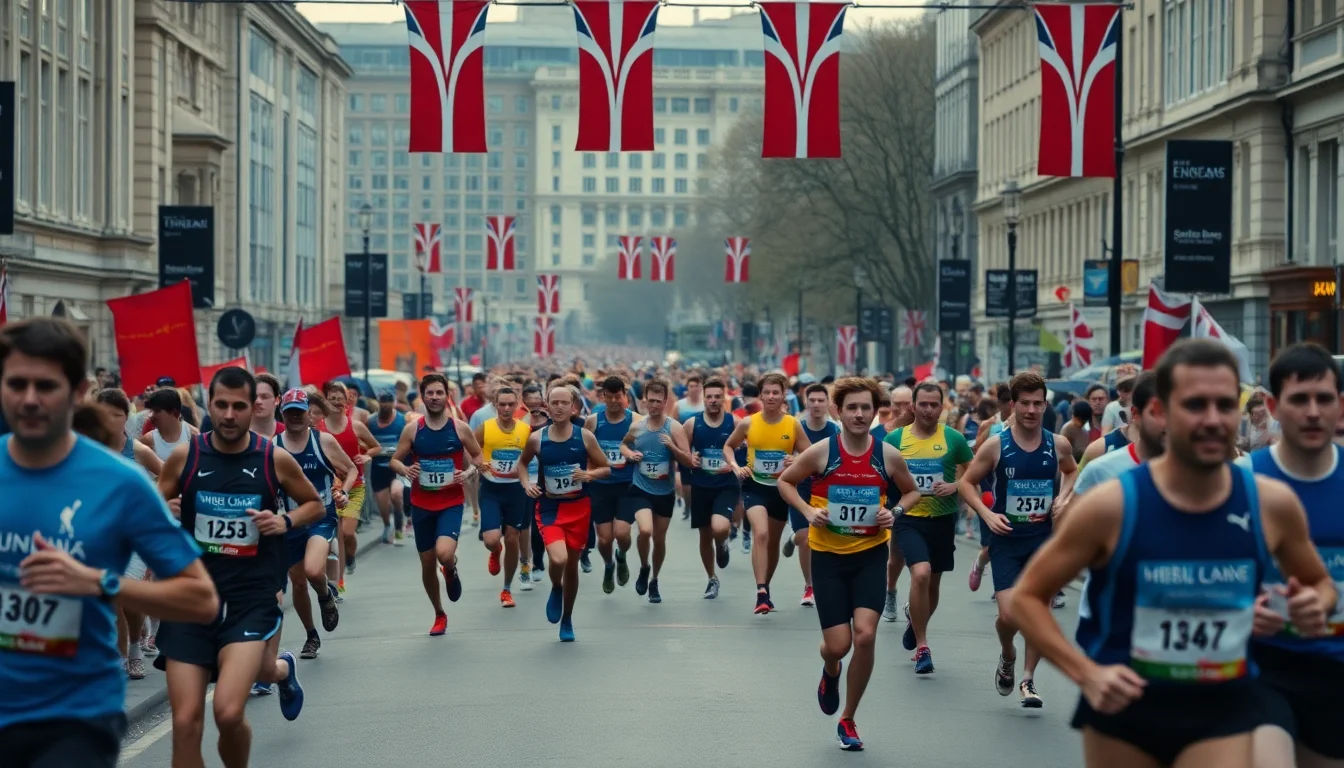
The cultural resonance of the London Marathon extends far beyond the running community. It has become a potent symbol of collective effort and civic pride, transforming London's streets into a vibrant carnival of athleticism and philanthropy. The event's emphasis on charity has inspired countless individuals to participate, fostering a culture of giving and social responsibility. The marathon route features landmarks like Tower Bridge, Buckingham Palace, and the London Eye, cementing its place in popular culture, frequently appearing in films, television shows, and media coverage. The marathon's success has also influenced the development of other major marathons globally, setting benchmarks for organization, participation, and fundraising.
⚡ Current State & Latest Developments
In recent years, the London Marathon has continued to innovate and adapt. The introduction of the Virgin Money London Marathon (now The Official London Marathon) sponsorship marked a significant commercial milestone. The event has successfully integrated virtual participation options, particularly during the COVID-19 pandemic, allowing global participation. London Marathon Events launched a collaboration with Friday Night Lights, introducing a paid-for 5km run at Battersea Park on the Friday preceding the main marathon, signaling a move towards a broader 'marathon weekend' experience. The race also continues to push boundaries in elite performance, with athletes consistently challenging world records on its fast course.
🤔 Controversies & Debates
The London Marathon, while widely celebrated, is not without its debates. One persistent discussion revolves around the allocation of ballot places for the mass participation race, with demand far outstripping supply, leading to frustration among many aspiring runners. The elite race's course, while fast, has been criticized by some purists for being too flat and lacking the historical character of other major marathons. Furthermore, the increasing commercialization and sponsorship deals, while crucial for funding, sometimes spark discussions about the balance between athletic purity and corporate influence. The environmental impact of such a large-scale event, from waste generation to carbon emissions, is also a growing area of scrutiny and a focus for sustainability initiatives.
🔮 Future Outlook & Predictions
The future of the London Marathon appears poised for continued evolution, driven by technological advancements and changing participant expectations. Expect further integration of virtual and hybrid race formats, potentially expanding the 'marathon weekend' concept to include more diverse events and distances. Innovations in wearable technology and data analytics will likely enhance the runner experience, offering personalized training insights and real-time performance tracking. Sustainability will remain a key focus, with organizers likely to implement more ambitious environmental targets and initiatives. The race's position within the World Marathon Majors will continue to attract top talent, ensuring its status as a premier global sporting spectacle for decades to come.
💡 Practical Applications
The London Marathon serves as a powerful platform for practical applications, most notably in fundraising and public health promotion. For charities, it's an unparalleled opportunity to raise vital funds and awareness for their causes, with participants often running in memory of loved ones or in support of specific medical research. For individuals, it offers a tangible goal for fitness, encouraging training regimens that can lead to significant health improvements and a greater sense of accomplishment. The event also provides a unique opportunity for city-wide engagement, bringing together diverse communities and showcasing London's infrastructure and organizational capabilities. Furthermore, it acts as a testing ground for new event management technologies and sustainability practices that can be adopted by other large-scale gatherings.
Key Facts
- Category
- event
- Type
- event