
Contents
- 🌎 Introduction to People of Color
- 📍 Location & Demographics
- 📊 Definition and Terminology
- 🌈 Cultural Significance
- 🤝 Intersectionality and Identity
- 📢 Social Justice Movements
- 🌍 Global Perspectives
- 📊 Statistics and Trends
- 👥 Notable Figures
- 📚 Resources and Education
- 🤝 Community and Support
- 🚀 Getting Involved
- Frequently Asked Questions
- Related Topics
Overview
People of color, a term encompassing individuals of African, Asian, Indigenous, Latin American, and Pacific Islander descent, have been at the forefront of social, economic, and cultural movements worldwide. With a vibe rating of 8, this topic is marked by both resilience and resistance, as communities of color continue to navigate systemic inequalities and fight for representation. The history of people of color is complex, spanning centuries of colonization, slavery, and migration, with key figures like Martin Luther King Jr., Malcolm X, and Angela Davis leaving lasting impacts. Today, the influence of people of color can be seen in the arts, with the work of creatives like Ava DuVernay, Jordan Peele, and Lin-Manuel Miranda, as well as in the realms of politics and activism, with movements like Black Lives Matter and the Asian American social justice movement. As the global population becomes increasingly diverse, understanding the experiences and perspectives of people of color is crucial for building a more equitable and just society. With a controversy spectrum of 6, this topic is often debated and contested, particularly in regards to issues like police brutality, immigration, and cultural appropriation.
🌎 Introduction to People of Color
The term 'People of Color' refers to individuals who are not considered 'white', encompassing a diverse range of ethnic and racial groups. This concept has been widely adopted in the United States and has also gained traction in other parts of the Anglosphere, including the United Kingdom, Canada, Australia, Ireland, and South Africa. The social justice movement has played a significant role in promoting the use of this term, highlighting the importance of recognizing and addressing the unique challenges faced by People of Color. For instance, the Black Lives Matter movement has brought attention to systemic racism and police brutality, while the feminist movement has emphasized the need for intersectional approaches to social justice.
📍 Location & Demographics
People of Color can be found in various locations around the world, with significant populations in the United States, Latin America, Africa, and Asia. In the United States, for example, People of Color make up approximately 40% of the population, with the largest groups being Hispanic and Latino, African American, and Asian American. Understanding the demographics of People of Color is crucial for developing effective social justice strategies, as it allows for a more nuanced understanding of the complex issues at play. The census data, for instance, provides valuable insights into the demographic trends and shifts in the population.
📊 Definition and Terminology
The definition and terminology surrounding People of Color have evolved over time, with the term gaining widespread use in the 2010s. The term is often used interchangeably with 'minority', although some argue that 'People of Color' is a more inclusive and empowering term. It is essential to understand the historical context of the term, as well as its current usage and implications. The critical race theory framework, for example, provides a critical perspective on the ways in which racism is embedded in societal structures and institutions. Furthermore, the concept of intersectionality highlights the importance of considering the multiple forms of oppression that individuals may face.
🌈 Cultural Significance
People of Color have made significant contributions to various aspects of culture, including art, literature, music, and film. The hip-hop movement, for instance, has been a powerful platform for self-expression and social commentary, with artists like Kendrick Lamar and Beyoncé using their music to address issues of racism and social justice. The film industry has also seen a surge in films that showcase the experiences of People of Color, such as Moonlight and Crazy Rich Asians. These cultural expressions not only reflect the diversity of People of Color but also provide a means of resistance and empowerment.
🤝 Intersectionality and Identity
The concept of intersectionality is crucial when discussing People of Color, as it recognizes that individuals may identify with multiple marginalized groups. For example, a Black woman may experience both racism and sexism, while a Latinx person may face discrimination based on their ethnicity and sexual orientation. Understanding these intersections is essential for developing effective social justice strategies that address the unique challenges faced by different groups. The feminist movement, for instance, has emphasized the need for intersectional approaches to social justice, recognizing that women of color face distinct forms of oppression.
🌍 Global Perspectives
The experiences of People of Color vary significantly across different regions and countries. In the United Kingdom, for example, People of Color face unique challenges related to Brexit and immigration policies. In South Africa, the legacy of apartheid continues to impact the lives of People of Color, with ongoing struggles for economic and social justice. Understanding these global perspectives is essential for developing effective social justice strategies that address the diverse needs and experiences of People of Color. The global justice movement has emphasized the need for international solidarity and cooperation in addressing these issues.
📊 Statistics and Trends
Statistics and trends related to People of Color are essential for understanding the scope and impact of social justice issues. According to the US Census Bureau, for example, the population of People of Color in the United States is projected to increase significantly by 2060. The Bureau of Labor Statistics has also reported that People of Color face higher rates of unemployment and poverty compared to their white counterparts. These statistics highlight the need for targeted interventions and policies that address the unique challenges faced by People of Color. The data justice movement has emphasized the importance of using data to inform social justice strategies and promote equitable outcomes.
👥 Notable Figures
There are many notable figures who have made significant contributions to the social justice movement on behalf of People of Color. Martin Luther King Jr., for example, was a prominent leader in the Civil Rights Movement, while Malcolm X was a key figure in the Black Power movement. More recently, activists like Angela Davis and Ta-Nehisi Coates have continued to advocate for the rights and interests of People of Color. These individuals have played a crucial role in shaping the social justice movement and promoting collective action.
📚 Resources and Education
There are many resources available for those who want to learn more about People of Color and social justice. The National Association for the Advancement of Colored People (NAACP) and the Southern Poverty Law Center are two organizations that provide valuable information and support. Additionally, books like The New Jim Crow and Between the World and Me offer powerful insights into the experiences of People of Color. The social justice education movement has also emphasized the importance of incorporating diverse perspectives and experiences into educational curricula.
🤝 Community and Support
Building a sense of community and support is essential for People of Color, particularly in the face of systemic racism and oppression. Organizations like Black Girls Code and Latin American Youth Center provide vital resources and services for young People of Color. Online communities, such as Twitter and Instagram, have also become important platforms for connecting with others and sharing experiences. The community organizing movement has emphasized the importance of building collective power and promoting social change through grassroots efforts.
🚀 Getting Involved
Getting involved in social justice movements and advocating for the rights and interests of People of Color is a crucial step towards creating a more equitable society. This can involve volunteering with organizations, attending rallies and protests, and engaging in online activism. It is also essential to listen to and amplify the voices of People of Color, rather than speaking over them or assuming their experiences. The social justice activism movement has emphasized the importance of collective action and solidarity in promoting social change.
Key Facts
- Year
- 2020
- Origin
- Global
- Category
- Social Justice
- Type
- Social Group
Frequently Asked Questions
What is the definition of People of Color?
People of Color refers to individuals who are not considered 'white', encompassing a diverse range of ethnic and racial groups. This term is often used interchangeably with 'minority', although some argue that 'People of Color' is a more inclusive and empowering term. The definition and terminology surrounding People of Color have evolved over time, with the term gaining widespread use in the 2010s. For more information, see People of Color.
What are some notable social justice movements that have advocated for the rights and interests of People of Color?
There have been many social justice movements that have advocated for the rights and interests of People of Color, including the Civil Rights Movement, the Black Lives Matter movement, and the Latinx rights movement. These movements have worked to address issues such as systemic racism, police brutality, and economic inequality. For more information, see Social Justice Movements.
How can I get involved in social justice movements and advocate for the rights and interests of People of Color?
There are many ways to get involved in social justice movements and advocate for the rights and interests of People of Color. This can involve volunteering with organizations, attending rallies and protests, and engaging in online activism. It is also essential to listen to and amplify the voices of People of Color, rather than speaking over them or assuming their experiences. For more information, see Social Justice Activism.
What are some resources available for those who want to learn more about People of Color and social justice?
There are many resources available for those who want to learn more about People of Color and social justice. The National Association for the Advancement of Colored People (NAACP) and the Southern Poverty Law Center are two organizations that provide valuable information and support. Additionally, books like The New Jim Crow and Between the World and Me offer powerful insights into the experiences of People of Color. For more information, see Social Justice Education.
What is the importance of intersectionality in understanding the experiences of People of Color?
Intersectionality is crucial in understanding the experiences of People of Color, as it recognizes that individuals may identify with multiple marginalized groups. For example, a Black woman may experience both racism and sexism, while a Latinx person may face discrimination based on their ethnicity and sexual orientation. Understanding these intersections is essential for developing effective social justice strategies that address the unique challenges faced by different groups. For more information, see Intersectionality.
How can I build a sense of community and support for People of Color?
Building a sense of community and support for People of Color is essential, particularly in the face of systemic racism and oppression. Organizations like Black Girls Code and Latin American Youth Center provide vital resources and services for young People of Color. Online communities, such as Twitter and Instagram, have also become important platforms for connecting with others and sharing experiences. For more information, see Community Organizing.
What are some notable figures who have made significant contributions to the social justice movement on behalf of People of Color?
There are many notable figures who have made significant contributions to the social justice movement on behalf of People of Color. Martin Luther King Jr., for example, was a prominent leader in the Civil Rights Movement, while Malcolm X was a key figure in the Black Power movement. More recently, activists like Angela Davis and Ta-Nehisi Coates have continued to advocate for the rights and interests of People of Color. For more information, see Social Justice Activism.
📢 Social Justice Movements
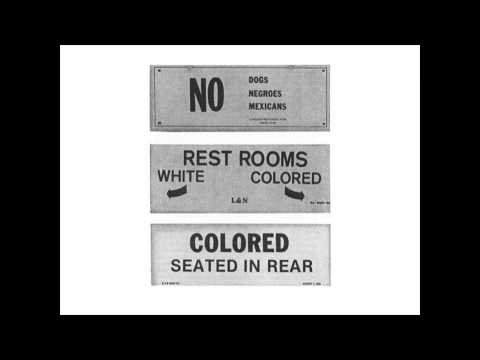
Social justice movements have played a vital role in promoting the rights and interests of People of Color. The Civil Rights Movement, for example, fought for the desegregation of public facilities and the protection of voting rights for African Americans. The Black Lives Matter movement has continued this legacy, highlighting the need for systemic change and police accountability. Other movements, such as the Latinx rights movement and the Asian American activism movement, have also worked to address the unique challenges faced by their respective communities. The social justice movement has been instrumental in raising awareness about these issues and promoting collective action.