
Contents
Overview
The Shangri-La Dialogue was first held in 2002 at the Shangri-La Hotel in Singapore, hosted by the International Institute for Strategic Studies (IISS). The conference was established to provide a platform for defence ministers, military chiefs, and other senior officials from Asia-Pacific states to discuss regional security issues and promote cooperation. Over the years, the dialogue has become a key event in the regional security calendar, with attendees including John Kerry, Ash Carter, and Prince Andrew.
📝 How It Works
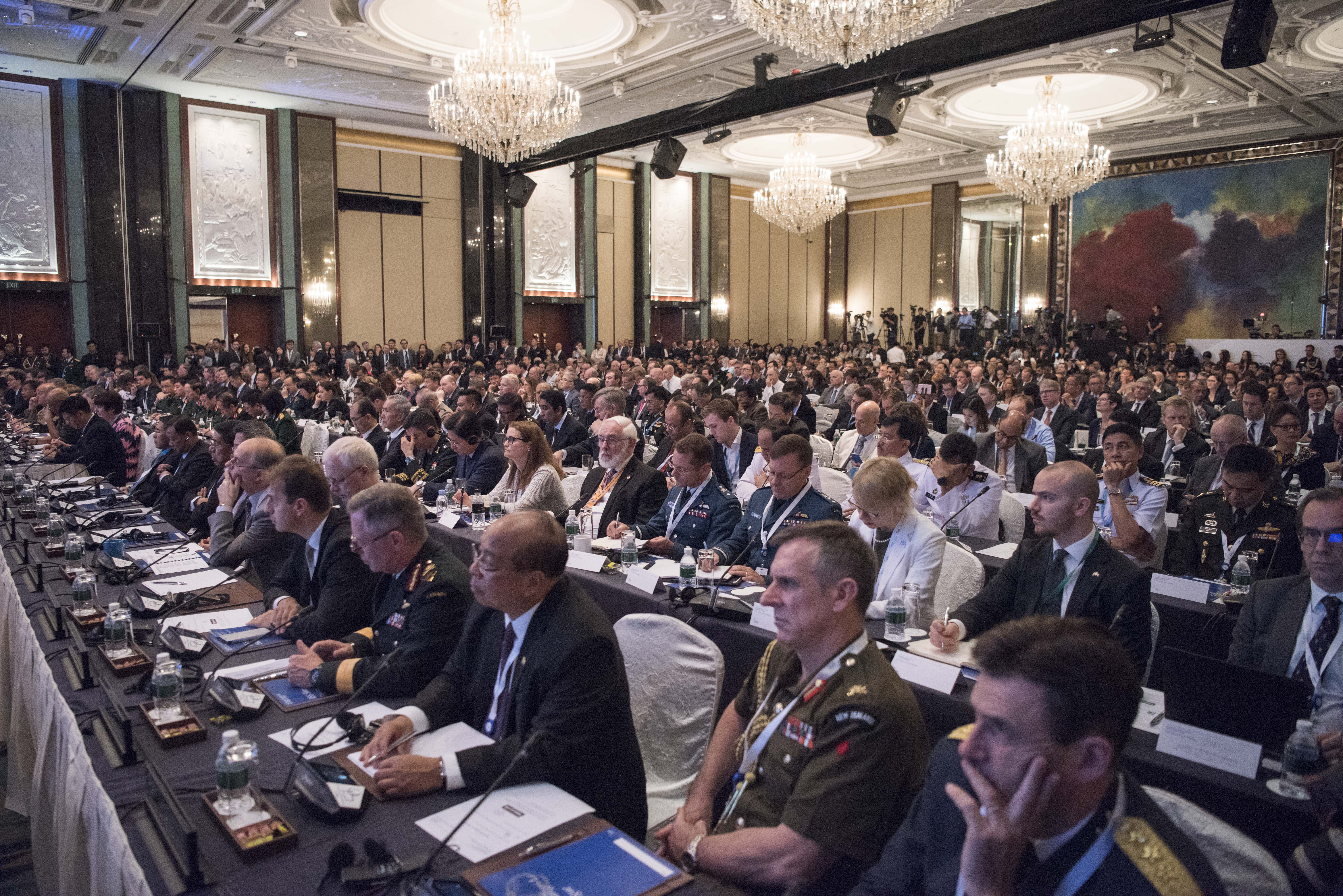
The Shangri-La Dialogue operates as a 'Track One' inter-governmental conference, meaning it is an official, government-to-government forum. The conference is attended by government delegations, including defence ministers, permanent heads of ministries, and military chiefs, as well as legislators, academic experts, journalists, and business delegates. The forum provides an opportunity for these stakeholders to engage in open and constructive dialogue, facilitating the exchange of ideas and the development of cooperative solutions to regional security challenges. APEC and the ASEAN have also been involved in the dialogue, highlighting the importance of regional cooperation.
🌈 Cultural Impact
The Shangri-La Dialogue has had a significant cultural impact on the region, promoting a sense of community among defence and security stakeholders. The conference has also facilitated bilateral meetings between government delegations, allowing for the discussion of sensitive issues and the development of cooperative relationships. The dialogue has been attended by prominent figures, including Tony Blair and Condoleezza Rice, and has been covered by major media outlets, such as BBC and Al Jazeera. The conference has also been the subject of academic study, with researchers from Harvard University and Oxford University analyzing its impact on regional security.
🔜 Legacy & Future
The Shangri-La Dialogue continues to play a vital role in promoting regional security and cooperation in the Asia-Pacific. As the region continues to evolve, with the rise of China and the growing importance of India, the dialogue will remain a key platform for governments to engage in constructive dialogue and address shared security challenges. The conference has also expanded its scope to include emerging security issues, such as cybersecurity and climate change, highlighting its adaptability and relevance in a rapidly changing security environment. United Nations agencies, such as the UN Department of Political and Peacebuilding Affairs, have also been involved in the dialogue, demonstrating its importance in promoting global security cooperation.
Key Facts
- Year
- 2002
- Origin
- Singapore
- Category
- history
- Type
- event
Frequently Asked Questions
What is the purpose of the Shangri-La Dialogue?
The Shangri-La Dialogue is a 'Track One' inter-governmental security conference that aims to promote regional security and cooperation in the Asia-Pacific. It provides a platform for defence ministers, military chiefs, and other senior officials to discuss regional security issues and develop cooperative solutions. The dialogue is hosted by the International Institute for Strategic Studies (IISS).
Who attends the Shangri-La Dialogue?
The Shangri-La Dialogue is attended by government delegations, including defence ministers, permanent heads of ministries, and military chiefs, as well as legislators, academic experts, journalists, and business delegates. Prominent figures, such as Tony Blair and Condoleezza Rice, have also attended the conference.
What are the key issues discussed at the Shangri-La Dialogue?
The Shangri-La Dialogue covers a range of regional security issues, including the rise of China, the role of the United States in the Asia-Pacific, and emerging security challenges such as cybersecurity and climate change. The dialogue also provides a platform for governments to discuss cooperative solutions to these challenges.
How has the Shangri-La Dialogue impacted regional security?
The Shangri-La Dialogue has promoted a sense of community among defence and security stakeholders in the Asia-Pacific, facilitating the exchange of ideas and the development of cooperative solutions to regional security challenges. The conference has also contributed to the development of regional security architecture, including the East Asia Summit and the Shangri-La Dialogue itself.
What is the future of the Shangri-La Dialogue?
The Shangri-La Dialogue will continue to play a vital role in promoting regional security and cooperation in the Asia-Pacific. As the region continues to evolve, the dialogue will remain a key platform for governments to engage in constructive dialogue and address shared security challenges. The conference will also continue to expand its scope to include emerging security issues, such as artificial intelligence and biotechnology.