
Contents
- 🚗 What Are Tire Types & Why They Matter
- 🛣️ All-Season Tires: The Everyday Workhorse
- ❄️ Winter Tires: Conquering Ice and Snow
- ☀️ Summer Tires: For the Performance Enthusiast
- ⛰️ All-Terrain Tires: Off-Road Ready
- 💨 High-Performance & UHP Tires: Speed Demons
- 🌿 Eco-Friendly Tires: Greener Miles Ahead
- ⚖️ Choosing the Right Tire: A Practical Guide
- 🔧 Maintenance & Longevity Tips
- 💡 The Future of Tire Technology
- Frequently Asked Questions
- Related Topics
Overview
Choosing the right tire is more than just a matter of size and speed rating; it's about optimizing performance, safety, and efficiency for your specific driving needs. This guide breaks down the primary tire categories, from the ubiquitous all-season tires designed for moderate conditions to specialized winter tires with aggressive tread for snow and ice, and high-performance tires built for speed and handling. We'll touch on the engineering behind each type, their typical use cases, and the trade-offs involved, helping you make an informed decision that impacts everything from your fuel economy to your grip on the road. Understanding these distinctions is crucial for any driver looking to maximize their vehicle's capabilities and ensure their safety.
🚗 What Are Tire Types & Why They Matter
Navigating the world of tires can feel like deciphering a secret code, but understanding the fundamental differences is crucial for safety, performance, and even your wallet. Tires aren't just black, round things; they're engineered marvels designed for specific conditions and driving styles. From the daily commute to weekend adventures, the right tire can transform your vehicle's handling, braking, and fuel efficiency. Ignoring this can lead to premature wear, compromised safety, and a less-than-optimal driving experience. Think of them as the critical interface between your vehicle and the road – a connection that demands careful consideration.
🛣️ All-Season Tires: The Everyday Workhorse
The ubiquitous all-season tires are the default choice for many drivers, and for good reason. They aim for a balanced performance across a wide range of temperatures and moderate weather conditions, making them a versatile option for year-round use in many climates. While they offer a decent compromise, don't expect them to excel in extreme heat or deep snow. Their tread patterns are designed for a blend of grip on dry, wet, and lightly snow-covered roads. For the average commuter who doesn't encounter severe winter weather, they represent a practical and cost-effective solution, often boasting good tread life.
❄️ Winter Tires: Conquering Ice and Snow
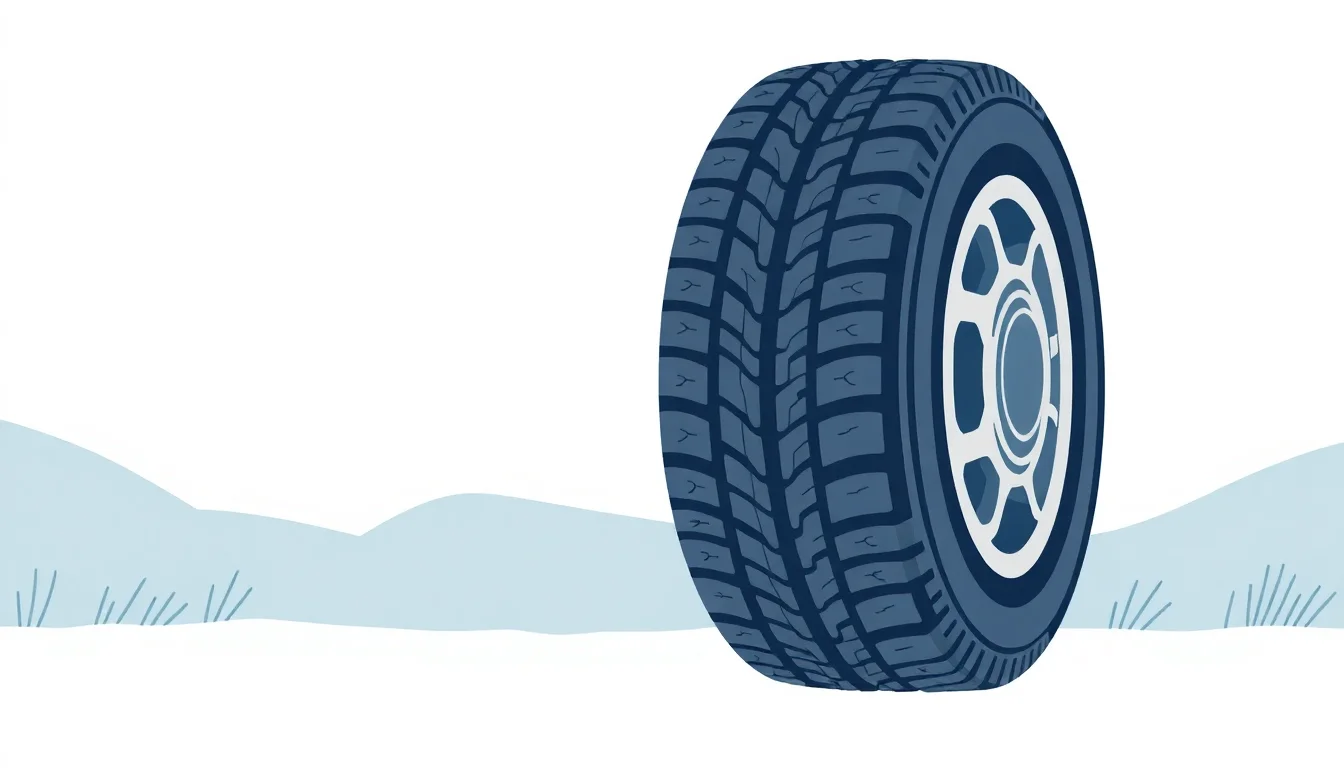
When the temperature drops below 7°C (45°F) and snow or ice become a regular feature, winter tires are not a luxury, they're a necessity. Their specialized rubber compounds remain flexible in the cold, providing superior grip compared to all-season or summer tires. Aggressive tread patterns with biting edges and deep grooves are designed to evacuate snow and slush, offering significantly better traction for acceleration, braking, and cornering. While they wear faster in warmer temperatures and can reduce fuel economy, the safety benefits in winter conditions are undeniable, drastically reducing stopping distances on icy surfaces.
☀️ Summer Tires: For the Performance Enthusiast
For drivers who prioritize sharp handling and maximum grip on dry and wet pavement, especially in warmer climates, summer tires are the ticket. These tires feature a harder rubber compound that performs best in temperatures above 7°C (45°F). Their tread patterns are optimized for road contact, often with larger, stiffer tread blocks and fewer sipes, leading to improved responsiveness and cornering stability. They are not designed for cold weather or snow, and their performance plummets in freezing temperatures. Enthusiasts often choose them for track days or spirited driving where ultimate performance is key.
⛰️ All-Terrain Tires: Off-Road Ready
If your adventures take you beyond the pavement, all-terrain tires are built to handle it. These tires strike a balance between on-road comfort and off-road capability. They feature more aggressive tread patterns with larger voids and reinforced sidewalls to resist punctures from rocks and debris. While they offer better traction on dirt, gravel, and mud than standard highway tires, they can be noisier and less fuel-efficient on the road. They are a popular choice for SUVs and trucks used for both daily driving and off-road excursions.
💨 High-Performance & UHP Tires: Speed Demons
Pushing the limits of your vehicle often means opting for high-performance tires or ultra-high-performance tires. Designed for sports cars and performance sedans, these tires offer exceptional grip, precise steering response, and high-speed stability. They typically use softer rubber compounds and have lower aspect ratios (shorter sidewalls) for reduced flex. However, this performance comes at a cost: they wear out faster, are more expensive, and often provide a firmer ride. They are also generally not suitable for cold or wet conditions, with many UHP tires having speed ratings exceeding 240 km/h (150 mph).
🌿 Eco-Friendly Tires: Greener Miles Ahead
The automotive industry is increasingly focused on sustainability, and eco-friendly tires are a growing segment. These tires are engineered to reduce rolling resistance, which translates to better fuel economy and lower CO2 emissions. They often incorporate advanced rubber compounds and tread designs that minimize energy loss. While they might not offer the same extreme performance as dedicated summer or winter tires, they provide a good balance for everyday driving with a reduced environmental footprint. Many manufacturers are also exploring recycled materials in their construction.
⚖️ Choosing the Right Tire: A Practical Guide
Selecting the right tire hinges on your driving habits, climate, and vehicle. Consider your typical driving conditions: are you mostly commuting in a city, tackling highways, venturing off-road, or driving in harsh winter weather? Check your vehicle's owner's manual for recommended tire sizes and load ratings. Don't be swayed solely by price; investing in quality tires from reputable brands like Michelin, Goodyear, or Continental can significantly impact safety and longevity. Always ensure your chosen tires match the intended use – a dedicated winter tire will outperform an all-season in snow, and a summer tire will offer superior dry grip.
🔧 Maintenance & Longevity Tips
Tires are a wear item, but proper maintenance can extend their life significantly. Regularly check your tire pressure – under-inflated tires reduce fuel efficiency and wear unevenly, while over-inflated tires can lead to a harsher ride and reduced grip. Rotate your tires every 8,000-10,000 miles (12,000-16,000 km) to ensure even wear. Wheel alignment is also critical; misaligned wheels can cause rapid and uneven tire wear. Inspect your tires visually for any signs of damage, such as cuts, bulges, or embedded objects, and replace them when the tread depth reaches the wear indicators (typically 2/32 inch or 1.6 mm).
💡 The Future of Tire Technology
The future of tire technology is exciting, with innovations focusing on sustainability, smart features, and enhanced performance. We're seeing advancements in airless tire technology, which eliminate the risk of flats and reduce maintenance. 'Smart tires' embedded with sensors are emerging, capable of monitoring pressure, temperature, and even road conditions, communicating this data to the vehicle. Materials science is also pushing boundaries, with new compounds offering improved grip, durability, and fuel efficiency. The drive towards electric vehicles (EVs) is also influencing tire design, with a focus on reduced noise and the ability to handle higher torque and weight.
Key Facts
- Year
- 2023
- Origin
- Vibepedia
- Category
- Automotive
- Type
- Resource Guide
Frequently Asked Questions
Can I use all-season tires in heavy snow?
All-season tires can handle light snow and slush, but they are not a substitute for dedicated winter tires in severe snow or icy conditions. Their rubber compound hardens in freezing temperatures, reducing grip. For consistent safety in heavy snow, winter tires are strongly recommended. They offer significantly better traction for braking and acceleration on snow and ice, drastically reducing stopping distances.
How often should I rotate my tires?
Tire rotation is recommended every 8,000 to 10,000 miles (12,000 to 16,000 km), or as specified in your vehicle's owner's manual. This ensures that all tires wear evenly, maximizing their lifespan and maintaining optimal vehicle handling. Skipping rotations can lead to premature wear on specific tires, requiring earlier replacement and potentially affecting your car's balance.
What does the number on the sidewall mean (e.g., 225/65R17)?
This is the tire size designation. '225' is the tire width in millimeters. '65' is the aspect ratio (sidewall height as a percentage of width). 'R' indicates radial construction. '17' is the wheel diameter in inches. This information is crucial for ensuring you purchase tires that fit your vehicle correctly and safely.
Are expensive tires always better?
Not necessarily. While premium brands often use advanced materials and technology, a mid-range tire from a reputable manufacturer can be an excellent choice for many drivers. The 'best' tire depends on your specific needs, driving conditions, and vehicle. It's more important to choose a tire designed for your climate and driving style than to simply buy the most expensive option available.
What are run-flat tires?
Run-flat tires are designed to continue operating for a limited distance at reduced speed after a puncture, allowing you to reach a safe location. They achieve this through reinforced sidewalls or internal support rings. While convenient, they can be more expensive, offer a firmer ride, and are often more difficult to repair than conventional tires. Not all vehicles are equipped to use them.
How can I tell if my tires need replacing?
Look for the tread wear indicators (small raised bars in the grooves). When the tread is worn down to the level of these indicators (typically 2/32 inch or 1.6 mm), the tire needs replacement. Also, inspect for any visible damage like cracks, bulges, cuts, or punctures. Uneven wear patterns can also indicate underlying issues like misalignment that necessitate replacement.