
Contents
Overview
A record player is the heart of any LP playback system, a device dedicated to the analogue reproduction of sound. It's a sophisticated piece of engineering designed to spin a grooved disc at a precise speed, allowing a stylus to trace those grooves and convert the physical undulations into an electrical signal. This signal is then amplified and sent to speakers, recreating the music as the artist intended. While the core concept dates back to Edison's cylinder player in the late 19th century, modern turntables are far more refined, offering superior fidelity and a tactile connection to music that digital formats struggle to replicate.
🎯 Who is a Turntable For?
The vinyl setup isn't just for audiophiles chasing pristine sound; it's for anyone who appreciates a deeper, more intentional listening experience. DJs, for instance, rely on professional decks for their tactile control and ability to manipulate records creatively. Music collectors find joy in the physicality of LPs and the ritual of playing them. Even casual listeners can discover a richer, warmer sound profile and a more engaging way to connect with their favorite artists. If you're looking to move beyond compressed digital files and explore a more analogue path to music, a turntable is your gateway.
⚙️ The Anatomy of a Turntable
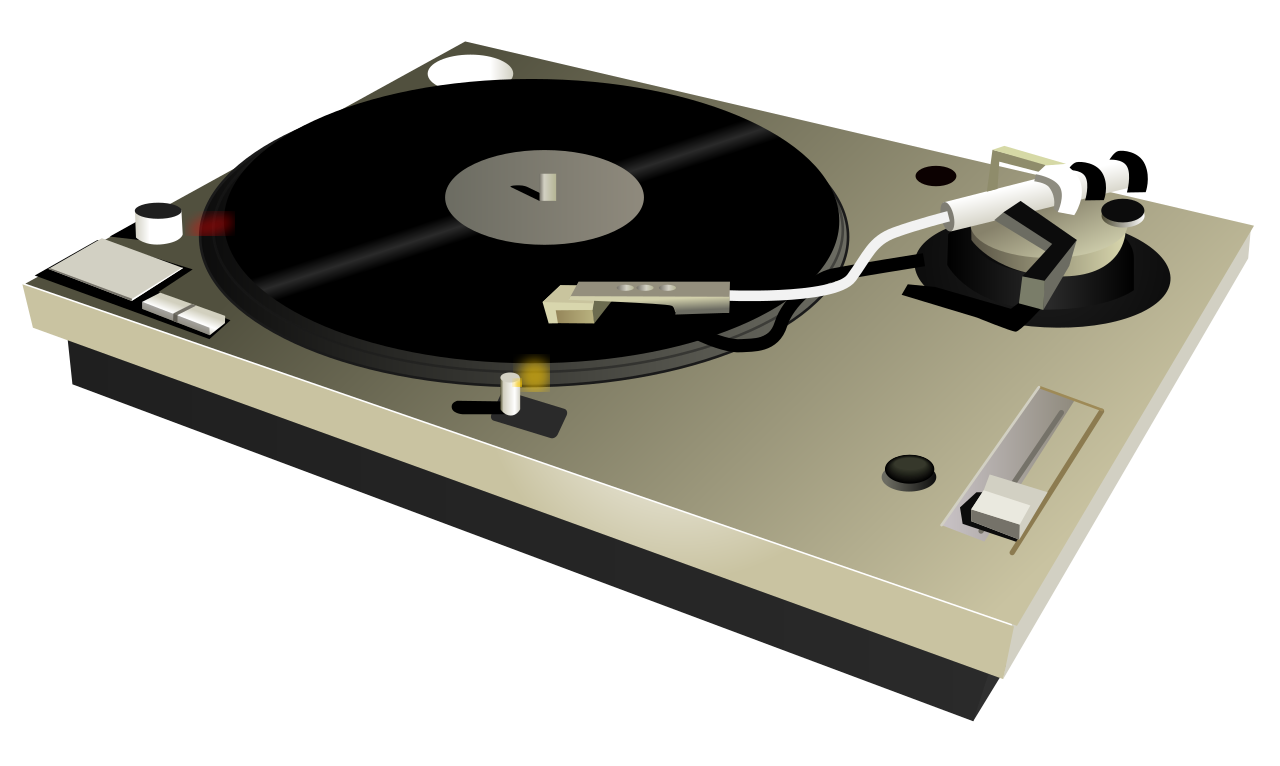
Understanding the basic components of a record player is crucial for making an informed choice. The record surface is what the vinyl rests on, and its mass and material significantly impact speed stability. The record arm holds the cartridge and stylus, and its design (pivot point, tracking force, anti-skate) is critical for accurate groove tracking. The pickup houses the needle, which physically reads the record's grooves. Beneath it all, the drive mechanism powers the platter, with belt-driven and direct-driven being the most common types. A stable plinth is also essential to isolate vibrations.
🎶 Types of Turntables
Turntables come in various forms, each catering to different needs. Belt drives use a rubber belt to connect the motor to the platter, offering excellent isolation from motor noise and vibration, often favored for home listening. Direct drives have the motor directly beneath the platter, providing superior torque and speed accuracy, making them the standard for turntablism. All-in-one units integrate a turntable with built-in speakers and preamps, offering convenience but often sacrificing sound quality. Portable models are compact and battery-powered, ideal for on-the-go listening or small spaces.
⭐ Key Features to Consider
When selecting a record player, several features warrant close attention. Speed stability is paramount; look for low percentages (e.g., <0.1%) to ensure consistent pitch. Stylus pressure and groove alignment adjustments are vital for optimal sound and record preservation. A built-in signal booster can simplify setup by allowing direct connection to amplifiers or powered speakers, though external preamps often offer superior performance. Consider the arm design (S-shaped or straight) and the stylus system – many turntables come with basic cartridges that can be upgraded later.
💰 Pricing & Value
The price of a record player can range dramatically, from under $100 for basic, often plastic-constructed models, to well over $10,000 for high-fidelity, audiophile-grade machines. Entry-level turntables (around $150-$300) offer a decent introduction to vinyl, often featuring built-in preamps. Mid-range options ($300-$800) typically boast better build quality, improved tonearms, and superior cartridges, delivering a noticeable jump in sound performance. High-end turntables are an investment, prioritizing exotic materials, advanced engineering, and meticulous craftsmanship for the ultimate sonic experience. Remember to factor in the cost of a signal amplifier and audio components if not included.
🤔 Turntable vs. Digital Audio
The debate between vinyl and digital audio is as old as digital itself. Proponents of vinyl champion its warm, analogue sound, the tangible connection to music, and the superior dynamic range often found on well-mastered LPs. They argue that digital formats, especially heavily compressed ones like MP3s, lose nuance and life. Digital audio advocates point to convenience, portability, perfect playback without degradation, and the vast libraries accessible through streaming services. While digital offers unparalleled ease of use, the ritual and sonic character of record listening remain a powerful draw for many.
💡 Essential Accessories
To truly enjoy your record player, a few essential accessories are a must. A signal booster is crucial if your amplifier or receiver lacks a dedicated phono input; this component amplifies the tiny signal from the cartridge to line level. A good audio setup with quality speakers is vital to hear the nuances a turntable can produce. For DJs, monitoring cans are indispensable for beatmatching and cueing. Record cleaning brushes, needle care and protective sleeves for your vinyl are also important for maintaining sound quality and the longevity of your collection.
🛠️ Maintenance & Care
Proper record player maintenance is key to preserving both your equipment and your vinyl. Regularly clean your needle with a dedicated brush or fluid to remove dust and debris, which can cause skips and wear. Use a carbon fiber brush to remove surface dust from records before each play. Periodically check and adjust stylus pressure and groove alignment according to your turntable and cartridge manufacturer's specifications. For belt-drive models, inspect the motor belt for wear and replace it every few years to maintain consistent speed. Keeping the turntable level on a stable surface is also critical.
🚀 Getting Started with Vinyl
Diving into the world of record players is an exciting journey. Start by assessing your budget and listening habits. Are you looking for a simple way to play a few old records, or are you building a dedicated hi-fi system? Research beginner models from reputable brands like Audio-Technica, Fluance, or Pro-Ject. Consider whether you need a built-in signal booster for ease of connection. Once you've chosen a turntable, explore local vinyl shops or online marketplaces to begin building your LP library. Don't be afraid to ask for advice from experienced vinyl enthusiasts or staff at audio equipment retailers.
Key Facts
- Year
- 1877
- Origin
- United States
- Category
- Audio Equipment
- Type
- Product Category
Frequently Asked Questions
Do I need a phono preamp for my turntable?
Most modern amplifiers and receivers have a dedicated 'Phono' input, which includes a built-in phono preamp. If your system lacks this, you'll need an external signal booster to amplify the turntable's low-level signal to a usable line-level output. Some record players also come with a built-in preamp, offering a convenient plug-and-play solution for systems without a phono input.
What's the difference between belt drive and direct drive turntables?
Belt drives use a rubber belt to connect the motor to the platter, which helps isolate the platter from motor vibrations, often resulting in a quieter sound. Direct drives have the motor directly under the platter, offering faster start-up times, higher torque, and more precise speed control, making them the preferred choice for turntablism.
How do I clean my vinyl records?
Regular cleaning is essential for good sound and record longevity. Use a carbon fiber cleaning tool before each play to remove surface dust. For deeper cleaning, consider a vinyl wash and microfiber cloths, or invest in a record washer for optimal results. Proper storage in anti-static inner sleeves also helps prevent dust accumulation.
How often should I replace the stylus on my turntable?
The lifespan of a needle varies depending on its quality and how often you play records, but typically ranges from 500 to 1,000 hours of use. It's advisable to replace it when you notice a degradation in sound quality, such as increased distortion or skipping. Regularly cleaning the stylus can help extend its life.
Can I connect a turntable directly to my computer?
Yes, many record players with built-in signal boosters can connect directly to a computer's line-in port or via USB. This allows you to digitize your LPs. You'll typically need recording software like Audacity to capture and edit the audio.
What is 'wow and flutter'?
'Wow and flutter' refers to speed variations in a record player's rotation. 'Wow' is slow speed variation, while 'flutter' is fast. These fluctuations can cause pitch instability in the music. Lower percentages (e.g., below 0.1%) indicate better speed accuracy and are desirable for accurate sound reproduction.